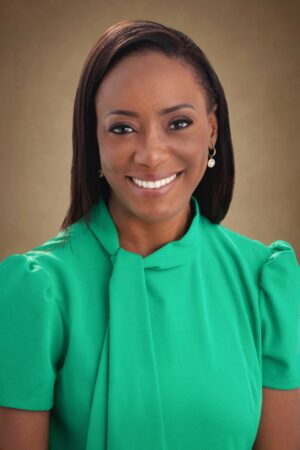
Cassandra Chaytor uses her breast cancer experience to support patients, families and her community
Four years after being diagnosed with breast cancer, Cassandra Chaytor still remembers the thought that crossed her mind when she learned she had cancer.
It was not about herself.
It was about her children.
“I have to come out OK,” she recalled telling her physician. “I have to be here for my children.”
At the time, her daughter Lydia was 12, and her son Archer was 8. Overnight, life became a series of appointments, treatments, surgeries and difficult conversations. Alongside the physical challenges came the emotional weight of helping her children navigate a reality none of them expected.
Tears in the grocery store
Some memories remain vivid.
Chaytor was grocery shopping with Archer, masked and wearing a scarf on her head, when a woman looked at them and began to cry.
Archer immediately understood why.
“He was so upset that we abandoned our cart and left the store,” Chaytor said.
For Chaytor, the manager of Clinic Operations at Vanderbilt Eye Institute in Franklin, the moment was a reminder that cancer affects entire families, not just the person diagnosed.
“It was incredibly hard for my children,” she said. “They were walking through it with me.”
Early in her cancer experience, Chaytor met with Vandana Abramson, MD, Professor of Medicine and Co-Leader of the Breast Cancer Research Program at Vanderbilt-Ingram Cancer Center.
“She gave me the facts and a clear plan, but she also gave me hope,” Chaytor said. “She’s one of the leading experts in her field, yet she approaches patients with incredible warmth, reassurance and encouragement. That meant so much during such a frightening time.”
What followed was a series of treatments that included a lumpectomy, chemotherapy, a mastectomy and reconstruction. Through it all, Chaytor remained focused on being present for her children and finding the strength to move forward.
Care along the way
As difficult as treatment was, what stands out most to Chaytor today is the care she received along the way.
One experience in particular remains especially meaningful.
On the morning of her mastectomy, overwhelmed by fear, Chaytor broke down just before being taken into surgery.
“I was sobbing uncontrollably,” she recalled.
Her surgeon, Ingrid Meszoely, MD, sat next to her, put her arm around her, and held her as she cried.
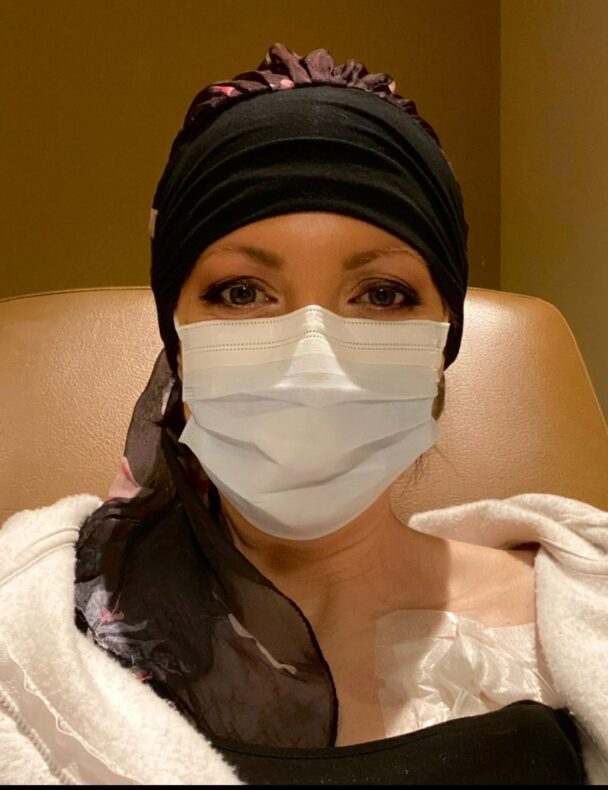
“She held me until I was ready to go back,” Chaytor said. “In one of the hardest moments of my life, her compassion meant everything to me. I’ll never forget it.”
Those experiences reinforced something Chaytor has always believed: People may forget details, but they never forget how they are treated during their most vulnerable moments.
“I’ve always believed in leading with empathy and kindness,” Chaytor said. “But walking in a patient’s shoes reinforced just how much every interaction matters.”
As she moved through treatment, Chaytor found herself paying close attention to the infusion team.
“They handle so many emotions every single day,” she said. “Watching how they supported patients, families and one another gave me an even deeper appreciation for what they do.”
That appreciation took on new meaning when a nurse asked Chaytor to speak with another patient who needed someone to talk to. That conversation became a turning point.
“It helped me realize that sharing my experience could help someone else feel less alone,” she said.
The story of countless others
Since then, Chaytor has embraced opportunities to support and encourage others facing cancer, whether through advocacy, community involvement or simply sharing her story.
“This affects so many women,” she said. “It’s my story, but it’s also the story of countless others. Even when you’re surrounded by support, there can be a loneliness that’s hard to describe. If sharing my experience helps even one person feel less alone, then something meaningful can come from what I went through.”
After returning to work, Chaytor shared her story with her team, reflecting on the importance of kindness, self-care and recognizing the impact every person can have on a patient’s experience.
“Every interaction matters. Every role matters. The way we treat patients and one another stays with people long after the moment has passed.”
Today, Chaytor is a survivor, advocate and health care leader who continues to draw on her experience to support others.
“Cancer is part of my story, but it is not what defines me,” she said. “What stays with me most is the care I received and the opportunity to help others feel less alone.
“There is hope, and there is always someone willing to walk beside you.”
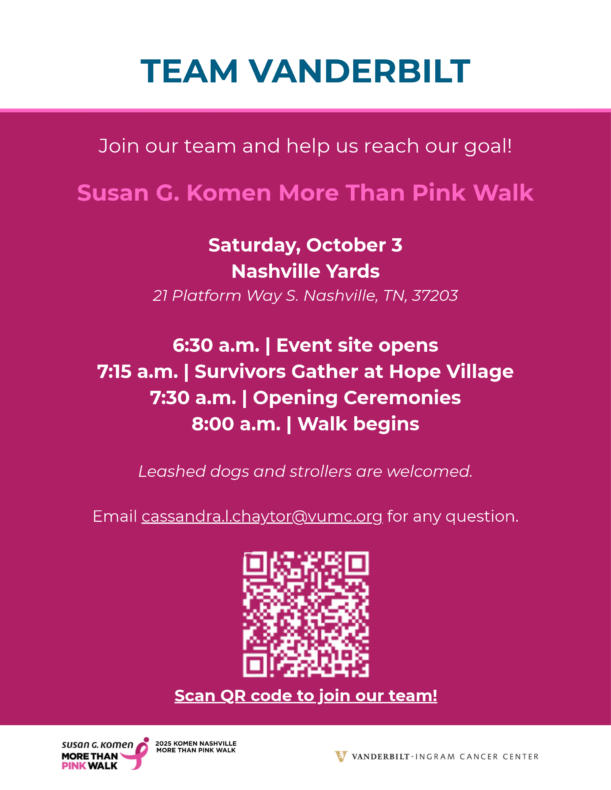
And she makes a final pitch: She hopes others will join her in participating in or contributing to Team Vanderbilt’s efforts at this year’s Susan G. Komen More Than Pink Walk, on Oct. 3.
The post Cassandra Chaytor uses her breast cancer experience to support patients, families and her community appeared first on Vanderbilt Health News.