Swimmers dove in to raise more than $130,000 for Vanderbilt-Ingram Cancer Center

Submitted by vicc_news on

The fifth annual Swim Across America-Nashville (SAA-Nashville), an annual team relay pool swim and charity event held at Ensworth Natatorium, celebrated a record-setting year: They raised more than $130,000 for cancer research and clinical trials at Vanderbilt-Ingram Cancer Center.

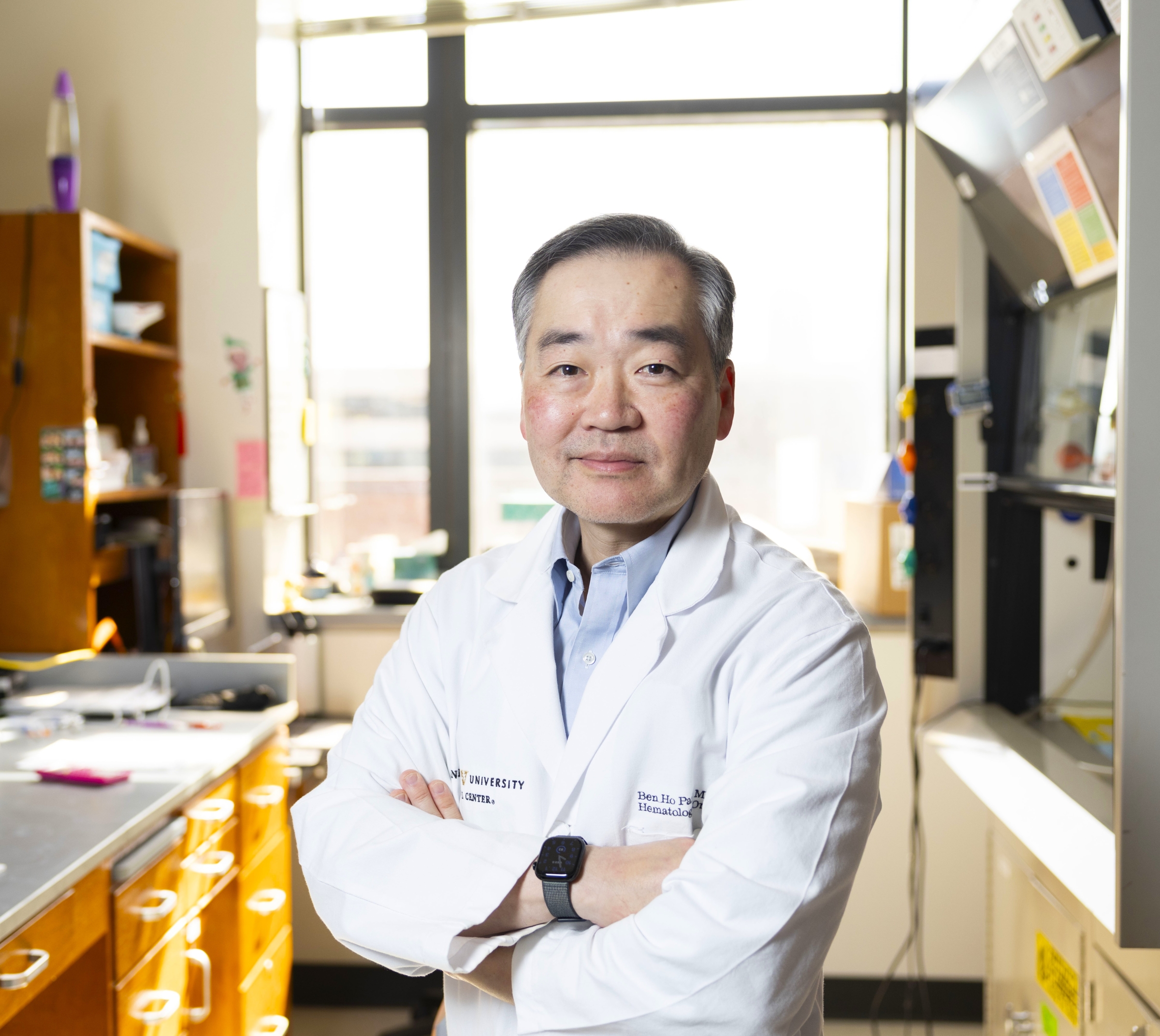
Ben Ho Park, MD, PhD, the Benjamin F. Byrd Jr. Professor of Oncology and Director of Vanderbilt-Ingram Cancer Center, kicked things off with his signature cannonball splash. Nearly 200 swimmers — including Olympians Missy Franklin Johnson, Paige Zemina Northcutt and Claire Donahue White — volunteers, supporters and sponsors participated this year, making it the largest and most successful Nashville swim to date.

The funds will be awarded to cancer researchers studying new approaches for the prevention, diagnosis and treatment of cancer. With this year’s proceeds, SAA-Nashville has now raised more than $500,000 to fund cancer research initiatives at Vanderbilt-Ingram since 2022.

Past grant recipients have used funds to investigate advancements in malignant pleural effusion (often caused by cancers such as breast cancer spreading to the lungs), early-stage lung cancer, surgical oncology and more.

Trying to find another fun way to support cancer research and exercise? Clip In 4 the Cure’s early bird registration closes on June 30.

The post Swimmers dove in to raise more than $130,000 for Vanderbilt-Ingram Cancer Center appeared first on Vanderbilt Health News.

Vanderbilt Health lands three of 35 Susan G. Komen research grants

Submitted by vicc_news on
Tuya Pal, MD

On Tuesday, June 23, Susan G. Komen, the internationally known nonprofit breast cancer organization, announced $15.4 million in grants to 35 leading breast cancer researchers across the United States. Three of the 35 grantees are Vanderbilt-Ingram Cancer Center members:

  • Tuya Pal, MD, Associate Director of Clinical Genomics and Ingram Professor of Cancer Research
  • Ben Ho Park, MD, PhD, Director of Vanderbilt-Ingram Cancer Center and Benjamin F. Byrd Jr. Professor of Oncology
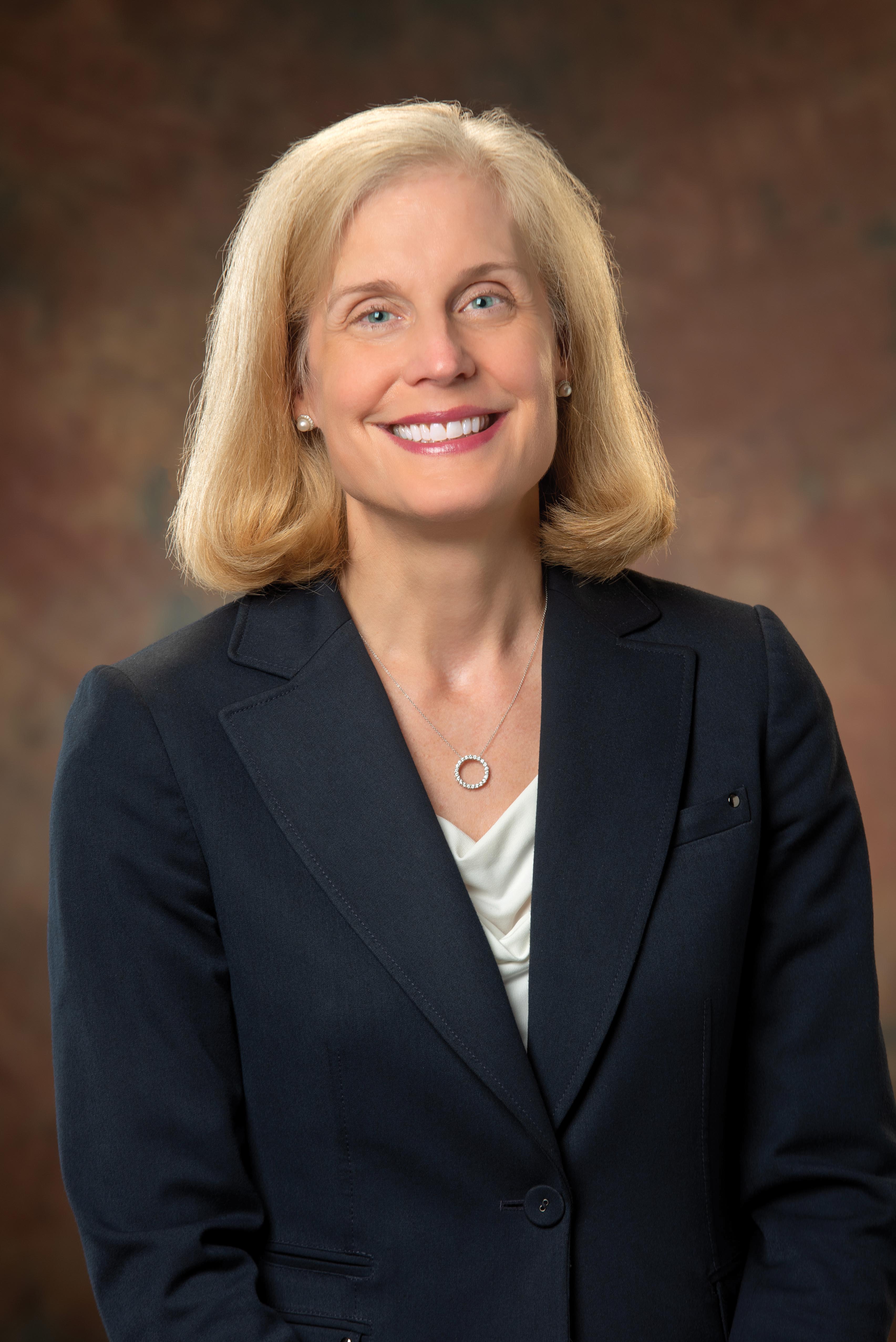
  • Jennifer Pietenpol, PhD, Chief Scientific and Strategy Officer at Vanderbilt Health, Ingram Professor of Cancer Research, and former director of Vanderbilt-Ingram Cancer Center
Ben Ho Park, MD, PhD

“On behalf of Vanderbilt Health, we are deeply grateful to Susan G. Komen for its long-standing partnership and extraordinary commitment to advancing breast cancer research. Komen’s sustained investment in science and in researchers enables institutions like ours to pursue bold, collaborative work that ultimately improves outcomes for patients everywhere,” said Pietenpol, who holds the Brock Family Directorship in Career Development.

“I’m honored to receive a grant from Susan G. Komen alongside my Vanderbilt Health colleagues and fellow grantees advancing breast cancer discoveries,” she said.

According to Komen, the funded projects span some of the most promising areas of research and include support for long-term, well-established researchers who have made a profound impact in the field.

Jennifer Pietenpol, PhD

Pietenpol and her team’s Komen-funded research focuses on understanding the molecular drivers of triple-negative breast cancers, with the goal of identifying new vulnerabilities that can be targeted therapeutically. Her work integrates genomic and functional approaches to uncover mechanisms that influence tumor behavior and treatment response, helping to inform more precise and effective strategies for patients with high-risk disease.

Park’s work centers around how to expose new therapeutic “vulnerabilities” in breast cancers that have gene mutations that lead to alterations in RNA, or “missplicing.”

In simpler terms, Park is developing new therapies based on a specific type of gene mutation that “rewires” cancer cells. This rewiring is what gives the cells the ability to become cancerous. His work has uncovered an Achilles’ heel: These rewired circuits are found only in cancer cells, not in normal cells.

Park explained, “This creates a strong rationale for developing cancer-specific drugs, and in our study, we focus on antibodies that selectively kill cells with ‘rewired’ components.”

Pal’s research is focused on the intersection of tumor and germline genomics, including studies of inherited breast cancers. Pal said, “Our overall goals are to better understand the development and trajectory of breast cancers due to inherited genes across populations.”

Her work examines breast cancer tumor genomics among broad populations of women with hereditary breast cancer due to BRCA1, BRCA2, PALB2, ATM and CHEK2 mutations. These efforts encompass the evaluation of aggressive breast cancers among young Black women, who face higher risks of being diagnosed with and dying from breast cancer, yet are also less likely to receive genetic testing.

Komen is the largest nonprofit funder of breast cancer research outside of the U.S. government, having invested more than $1.1 billion in research since its founding.

The post Vanderbilt Health lands three of 35 Susan G. Komen research grants appeared first on Vanderbilt Health News.

New research: Heart drug may also limit the spread of cancer

Submitted by vicc_news on

Early clinical research by Vanderbilt Health and Cumberland Pharmaceuticals Inc. suggests that an investigational drug originally developed to treat cardiovascular disease may reduce the risk of metastasis — or spread — of breast, lung and other solid tumors.

The pilot clinical trial of 29 patients with solid tumors at high risk of early metastatic recurrence confirmed that ifetroban, a thromboxane A2 receptor antagonist, was safe and well tolerated, and supported further development of the drug to prevent cancer metastasis.

While not statistically powered for efficacy, the randomized, double-blind, and placebo-controlled Phase 2a clinical trial also compared the percentage of patients who experienced a distant metastatic recurrence 12 months after completion of the study.

Seventeen percent of participants who received ifetroban experienced a distant metastatic recurrence, compared to 50% of those who received an inactive placebo. No deaths due to distant metastatic disease occurred among those who received ifetroban, while three deaths occurred in the placebo group.

“We are encouraged that ifetroban demonstrated a favorable safety profile in this patient population and the potential efficacy trends are promising, supporting further clinical development,” said Cumberland Pharmaceuticals Chief Executive Officer A.J. Kazimi.

Cumberland Pharmaceuticals is a Nashville-based specialty pharmaceutical company focused on developing new products for rare diseases.

“A therapeutic intervention aimed at metastasis prevention for cancer patients with high risk of recurrence that is given during the period of ‘watchful waiting’ could be groundbreaking if proven beneficial in larger scale investigations,” said Ben Ho Park, MD, PhD, the Benjamin F. Byrd Jr. Professor of Oncology, professor of Medicine, and director of Vanderbilt-Ingram Cancer Center.

The study is a project of Vanderbilt Health’s Drug Repurposing program, which was established in 2016 under the Vanderbilt Institute for Clinical and Translational Research (VICTR).

The program uses human genetic data from BioVU, Vanderbilt Health’s DNA biobank, which is linked to de-identified electronic health records, to find new indications for drugs that are already approved or have passed Phase 1 and Phase 2 clinical safety studies. For example, the drug repurposing team has found that adding guanfacine, a drug used to treat high blood pressure, to routine trigeminal nerve block injections can enhance pain relief in patients with trigeminal neuralgia, intense, sudden facial pain.

Earlier this year, they reported that EG501, an investigational drug developed by Evergreen Therapeutics Inc. which targets a receptor in the brain involved in learning and memory, improved cognitive function in patients with lupus, an auto-immune disease.

For the past 20 years, Vanderbilt Health researchers have been studying ifetroban for its potential to treat conditions ranging from fibrotic lung disease to heart failure in patients with Duchene muscular dystrophy.

The thromboxane A2 receptor plays a variety of roles in different cell types throughout the body, including the activation and aggregation of platelets, a type of blood cell involved in clotting. In turn, malignant cells that escape cancer treatment can stick to platelets and “ride” to distant parts of the body.

A phenome-wide association study (PheWAS) of BioVU’s genetic and health records database conducted by Vanderbilt Health investigators linked a variant in the receptor gene to an increased risk of metastatic disease across multiple primary cancers.

Preclinical studies demonstrated that ifetroban reduced metastasis in several animal models without affecting tumor growth.

By blocking platelet activation and aggregation through its action on the thromboxane A2 receptor, ifetroban is thought to limit the ability of tumor cells to migrate across blood vessel walls, invade other organs, and evade detection by the immune system.

After completing cancer therapy, patients at high risk of recurrence who were enrolled in the clinical trial received daily oral doses of ifetroban or placebo for 12 months, then were followed for another 12 months.

Kazimi praised the contributions of the Vanderbilt Health research team, which he said, “have been essential to this advance in oncology patient care.”

Results of this study will be used to guide the design of larger human trials verifying efficacy and further demonstrating safety.

“We look forward to pursuing those pivotal studies as we relentlessly look for treatments to benefit patients living with cancer,” Park said.

The post New research: Heart drug may also limit the spread of cancer appeared first on Vanderbilt Health News.

Three VUMC researchers receive Komen leadership grants

Submitted by vicc_news on

Susan G. Komen has awarded $10.8 million in new research grants that will help propel innovative science and deliver hope to those facing breast cancer. The grant recipients include three researchers from Vanderbilt University Medical Center.

The grants support 25 cutting-edge projects at 17 institutions — marking a powerful commitment to improving outcomes for people living with breast cancer today and in the future.

“We are proud to support these exceptional researchers who are pushing the boundaries of what’s possible in breast cancer science,” said Paula Schneider, president and CEO of Susan G. Komen. “Research saves lives, and now more than ever, we must invest in science that brings hope to patients — especially those facing the most aggressive forms of breast cancer.”

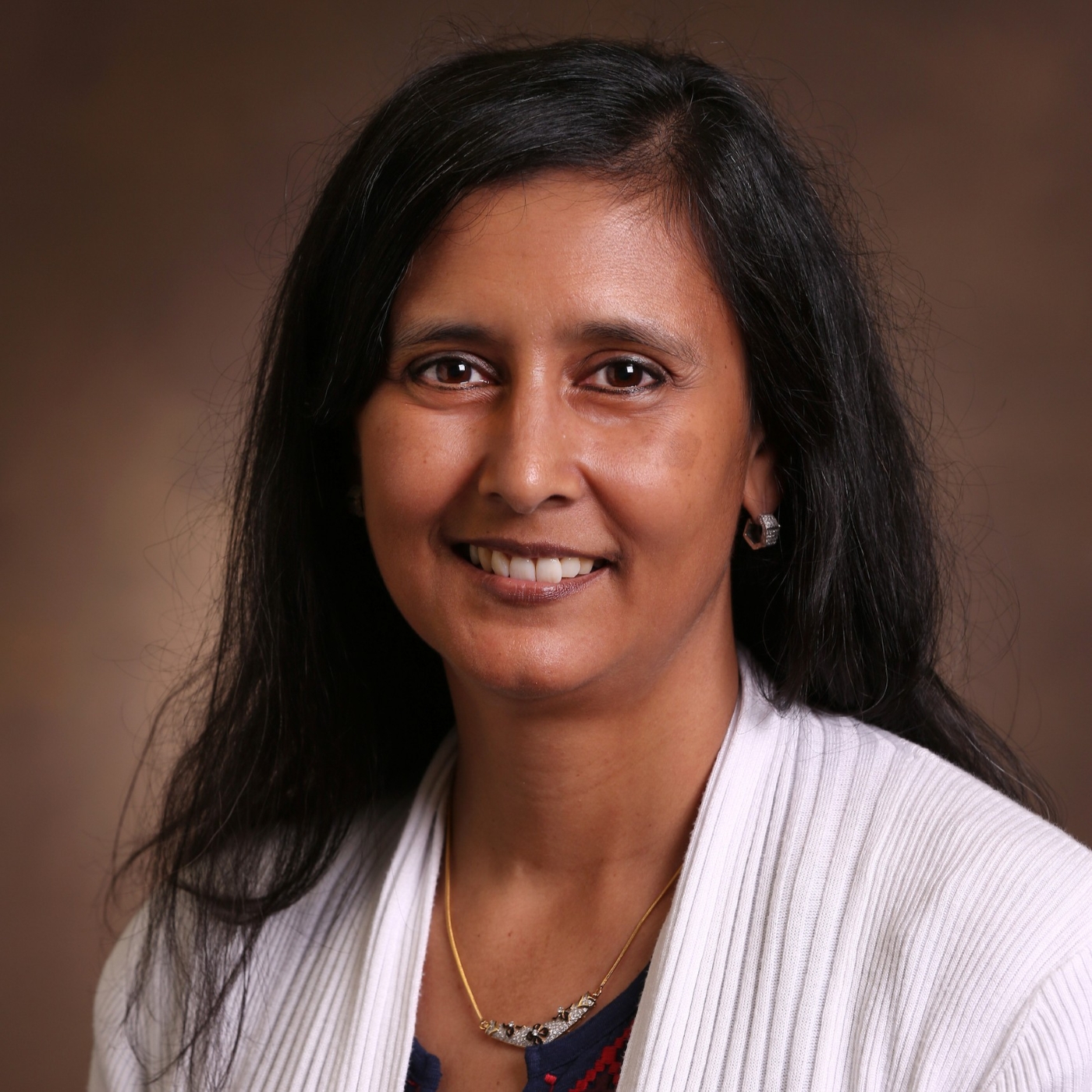
Tuya Pal, associate professor of medicine and Ingram Associate Professor of Cancer Research (Daniel Dubois/Vanderbilt)
Tuya Pal, MD

The three VUMC researchers were each awarded Komen Leadership Grants of $400,000. The Komen Leadership Grant Program supports innovative, hypothesis-driven breast cancer research that aligns with Komen’s mission to save lives and improve personalized care and outcomes for all. Open to Komen’s Scientific Advisors and to Komen Scholars, the program funds bold, high-risk/high-reward projects with the potential to significantly advance the field of breast cancer research.

Ben Ho Park, MD, PhD

The VUMC recipients are Tuya Pal, MD, Ingram Professor of Cancer Research and professor of Medicine; Ben Ho Park, MD, PhD, Benjamin F. Byrd Jr. Professor of Oncology and professor of Medicine; and Jennifer Pietenpol, PhD, Ingram Professor of Cancer Research and professor of Biochemistry.

Through this research investment, Komen is prioritizing the most pressing challenges facing patients, including metastatic breast cancer, optimal health for all and the need for more precise, personalized treatment strategies to improve care and outcomes for everyone impacted by breast cancer.

“Komen’s commitment to breast cancer research comes at a pivotal time and will drive meaningful advances in our understanding of the disease and care of patients,” said Ann Partridge, MD, MPH, Chief Scientific Advisor for Komen. “By fueling science that is both innovative and inclusive, we’re accelerating progress where patients need it most — while building a foundation for individualized care for all.”

Jennifer Pietenpol, PhD

Komen is the largest nonprofit funder of breast cancer research outside the U.S. government, investing nearly $1.1 billion since its inception. Unlike many research institutions, Komen’s work is powered entirely by the generosity of individual donors, corporate partners and community supporters.

“Investing in top scientific talent is one of the most powerful ways we can drive progress,” said Pietenpol, PhD, Chief Scientific Advisor for Komen. “Komen’s commitment, especially to early-career researchers, cultivates a vibrant ecosystem where bold ideas and pioneering research can thrive, accelerating our path toward the cures we urgently seek.”

Pietenpol holds the Brock Family Directorship in Career Development at VUMC. Park is director of the Vanderbilt-Ingram Cancer Center and a member of the Komen Scientific Advisory Board. Pal is a Komen Scholar.

The post Three VUMC researchers receive Komen leadership grants appeared first on VUMC News.

Subscribe to Ben_Ho_Park