OUR HISTORY
The Vanderbilt Cancer Center was formally established in 1993 to bring together all cancer-related research, treatment, education, and outreach at Vanderbilt. The Vanderbilt Cancer Center was the youngest center to go from creation to designation by the NCI, the world's foremost authority on cancer.
Executive Leadership Team
The Vanderbilt-Ingram Cancer Center is led by a director, deputy directors, and team of associate center directors representing all aspects of the Center. A Cancer Clinical Enterprise Committee oversees strategy and decision-making for the clinical operations of the center. Vanderbilt-Ingram Cancer Center is also guided by a volunteer community Board of Overseers and external scientific advisory board.
About Vanderbilt-Ingram Cancer Center
Vanderbilt-Ingram Cancer Center is a National Cancer Institute-designated Comprehensive Cancer Center committed to reducing cancer death and suffering through:

Host-Tumor Interactions Research Program
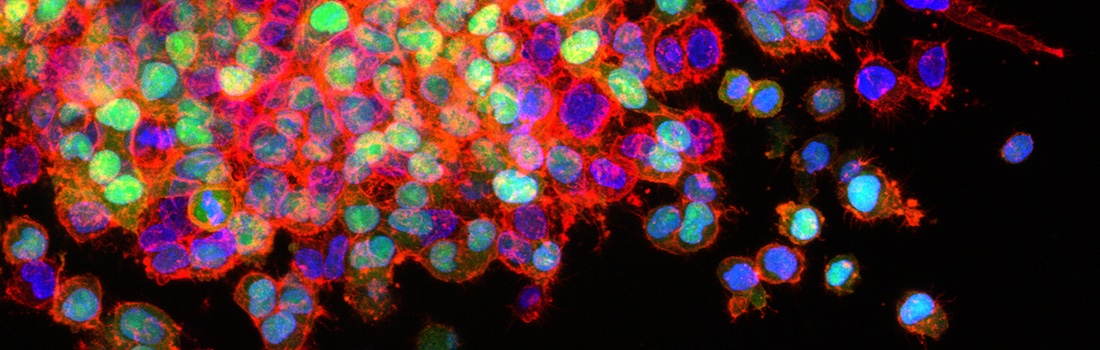
Tumor growth, invasion, and metastasis depend not only on the tumor cell alone, but also on the complex interactions between the cancer, stromal, and immune cells. The goal of the Host-Tumor Interactions Research Program is to develop a detailed and mechanistic understanding of the complex cell and microenvironment in which cancer cell interact, and how these interactions influence cancer therapies and immunotherapies.
Genome Maintenance Research Program
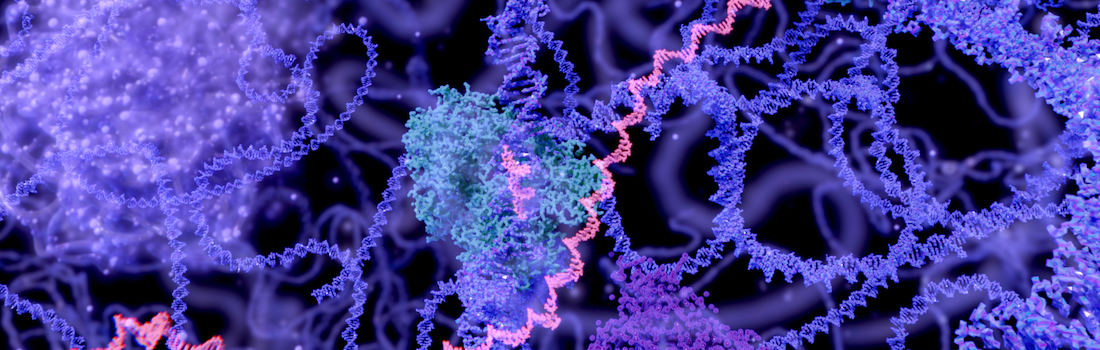
Changes to the genome are at the epicenter of cancer mechanisms and response to therapies. The Genome Maintenance Research Program is a cohesive network of basic science researchers focused on understanding how DNA is damaged, repaired, packaged, expressed, and replicated.
Gastrointestinal Cancer Research Program
Gastrointestinal (GI) cancers remain some of the most difficult to treat, with five-year survival rates below 50 percent for most GI cancer types.
The Gastrointestinal Cancer Research Program aims to better understand what drives these cancers with the goal of identifying and applying better treatment strategies. Our research efforts span the entire spectrum—from in-depth basic research to investigator-initiated clinical trials—across all GI cancer types, including colorectal, gastroesophageal, and pancreatic cancers.




