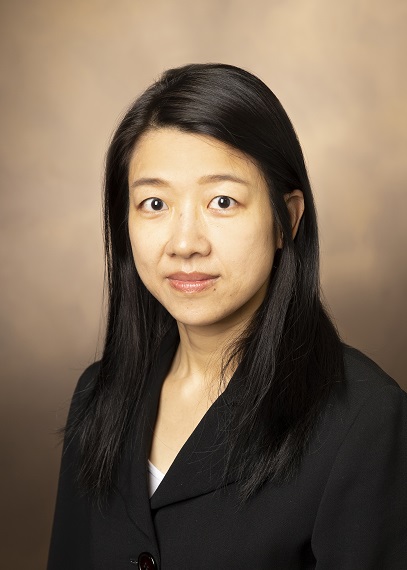
Ting-Fang Lee, Ph.D.
- Research Instructor in Surgery
Ting-Fang Lee, Ph.D.
- Research Instructor in Surgery
615-322-4842
tingfang.lee@vumc.org
Research Program
Research Description
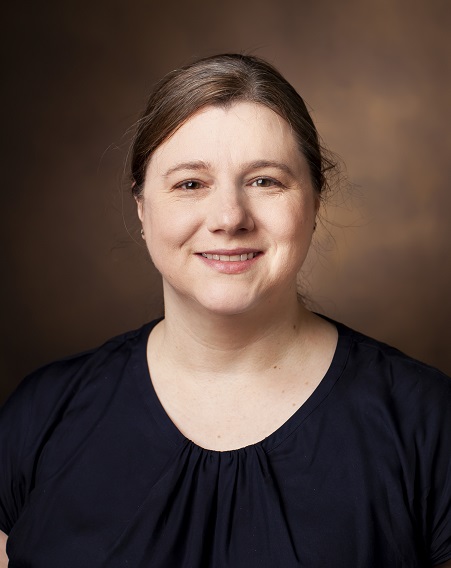
Deanna Edwards, Ph.D.
- Research Assistant Professor of Medicine (Rheumatology and Immunology)
Deanna Edwards, Ph.D.
- Research Assistant Professor of Medicine (Rheumatology and Immunology)
615-322-4746
deanna.edwards@vumc.org
Research Program
Research Description
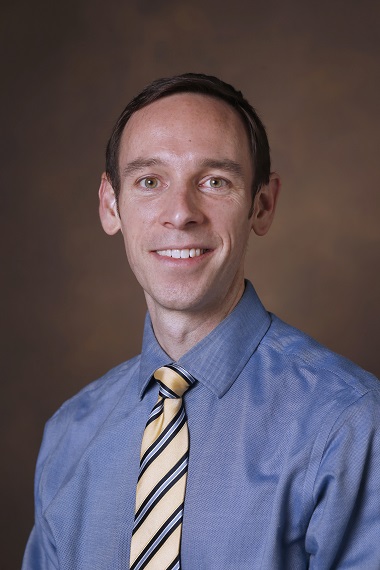
Lee E. Wheless, M.D., Ph.D.
- Assistant Professor Dermatology and Medicine
Lee E. Wheless, M.D., Ph.D.
- Assistant Professor Dermatology and Medicine
lee.e.wheless@vumc.org
Research Program
Research Description

Richard, P. Garvin, Ph.D.
- Assistant Professor, Psychology, Tennessee State University
Richard, P. Garvin, Ph.D.
- Assistant Professor, Psychology, Tennessee State University
rgarvin@tnstate.edu
Research Program
This phase II trial studies the effect of pembrolizumab alone compared to the usual approach (chemotherapy \[cisplatin and carboplatin\] plus radiation therapy) after surgery in treating patients with head and neck squamous cell carcinoma that has come back (recurrent) or patients with a second head and neck cancer that is not from metastasis (primary). Radiation therapy uses high energy radiation or protons to kill tumor cells and shrink tumors. Cisplatin is in a class of medications known as platinum-containing compounds. It works by killing, stopping or slowing the growth of cancer cells. Carboplatin is also in a class of medications known as platinum-containing compounds. It works in a way similar to the anticancer drug cisplatin, but may be better tolerated than cisplatin. Carboplatin works by killing, stopping or slowing the growth of cancer cells. Immunotherapy with monoclonal antibodies, such as pembrolizumab, may help the body's immune system attack the cancer and may interfere with the ability of tumor cells to grow and spread. Giving pembrolizumab alone after surgery may work better than the usual approach in shrinking recurrent or primary head and neck squamous cell carcinoma.
This phase III trial compares the effect of open thoracic surgery (thoracotomy) to thoracoscopic surgery (video-assisted thoracoscopic surgery or VATS) in treating patients with osteosarcoma that has spread to the lung (pulmonary metastases). Open thoracic surgery is a type of surgery done through a single larger incision (like a large cut) that goes between the ribs, opens up the chest, and removes the cancer. Thoracoscopy is a type of chest surgery where the doctor makes several small incisions and uses a small camera to help with removing the cancer. This trial is being done evaluate the two different surgery methods for patients with osteosarcoma that has spread to the lung to find out which is better.
The goal of this clinical study is to learn more about the long-term safety, effectiveness and prolonged action of Kite study drugs, axicabtagene ciloleucel, brexucabtagene autoleucel, KITE-363, KITE-753, KITE-197, and anitocabtagene autoleucel in participants of Kite-sponsored interventional studies.