This is a Phase 1, open-label, multicenter, study of the safety, tolerability, PK, PD, and anti-tumor activity of MRTX1719 patients with advanced, unresectable or metastatic solid tumor malignancy with homozygous deletion of the MTAP gene.
This open-label research study is studying (Z)-endoxifen as a possible treatment for pre-menopausal women with ER+/HER2- breast cancer. (Z)-endoxifen belongs to a group of drugs called selective estrogen receptor modulators or "SERM", which help block estrogen from attaching to cancer cells. This study has two parts: a pharmacokinetic part and a treatment part. The PK part (how the body processes the drug) will enroll about 18 participants. All participants will take (Z)-endoxifen capsules daily. Twelve participants will be randomly assigned (50/50 chance) to take (Z)-endoxifen alone or (Z)-endoxifen with a monthly injection of goserelin a drug that temporarily stops the ovaries from making estrogen. This part will help determine the best dose of (Z)-endoxifen by measuring the drug levels in the blood and how long the body takes to remove it. The Treatment Cohort has been simplified to a single study arm (Z)-endoxifen + goserelin. Up to 20 participants will be enrolled that have a baseline Ki-67 10% and 45 participants will be enrolled that have a baseline Ki-67\>10%. A key goal of the study is to see if (Z)-endoxifen can slow down or stop tumor growth as measured by a reduction in Ki-67 levels. Tumor tissue samples will be taken by breast biopsy after about 4 weeks of treatment to check levels of this biomarker. If the tumor shows signs of response, participants can continue treatment for up to 24 weeks or until they have surgery. Study participation is up to 6 months (24 weeks of treatment) followed by surgery and a one-month follow up visit.
Study CL3-95031-007 (CHONQUER) is a Phase 3, international, multicenter, double-blind, randomized, placebo-controlled study of orally administered ivosidenib. Participants are required to have a histopathological diagnosis consistent with isocitrate dehydrogenase-1 (IDH1) gene-mutated, locally advanced or metastatic conventional chondrosarcoma Grades 1, 2, or 3 and not eligible for curative resection. IDH1 mutant status will be determined during pre-screening/screening phase. Participant must have radiographic progression/recurrence of disease according to Response Evaluation Criteria in Solid Tumors (RECIST v1.1) and have received 0 to 1 prior systemic treatment regimen in the advanced/metastatic setting for conventional chondrosarcoma. The primary endpoint is progression-free survival (PFS) in Grades 1 and 2 participants. Key secondary endpoints are PFS in all randomized participants, overall survival (OS) in Grades 1 and 2 participants, and OS in all randomized participants. Participants who meet enrollment criteria will be randomized 1:1 to receive oral ivosidenib 500mg once daily, or a matching placebo once daily.
This study is exploring the use of Panitumumab in Head and Neck Cancer. Panitumumab is an approved drug named Vectibix and is used as an anti-cancer agent in other cancers such as colorectal cancer. It works by attaching to the cancer cell in a unique way that allows the drug to get into the cancer tissue. In addition to the Panitumumab, participants will also receive a Panitumumab-IRDye800 (Pan800) or a fluorescently labeled Panitumumab infusion. IRDye800 is an investigational dye that, when tested in the lab, helps various characteristics of human tissue show up better when using a special camera during surgery. Panitumumab-IRDye800 is a combination of the drug and the dye that attaches to cancer cells and appears to make them visible to the doctor when he or she uses the special camera during surgery. The goal of this study is to use a novel and possibly safer approach to identify an optimal dose for panitumumab to treat cancer patients by using a new light-based therapy. In this study, different drug levels will be analyzed using this approach to understand how much drug reaches the tumor at different administered doses, which may help us provide safer and/or more effective therapies in the future. The goal is to identify the correct amount or dose of a drug that is needed for effective cancer therapies. Often, clinical studies look at how much of the drug can be tolerated before patients become sick, rather than how much of the drug is required to be effective. IRDye800 is an investigational dye that, when tested in the lab, helps various characteristics of human tissue show up better when using a special camera during surgery. Panitumumab-IRDye800 is a combination of the drug and the dye that attaches to cancer cells and appears to make them visible to the doctor when he or she uses the special camera during surgery. This will help the surgeon with clinical margins during surgery and will may have a clearer way to differentiate between cancer and healthy tissue.
An Open-label, Phase I Dose Escalation and Phase 2 Dose Expansion Study to Assess Safety, Tolerability, Preliminary Antitumor Activity of SMP 3124LP in Adults with Advanced Solid Tumors

Study finds navigational bronchoscopy as effective and safer alternative to transthoracic biopsy for lung nodules  

Navigational bronchoscopy is as effective as the traditionally used transthoracic needle biopsy for diagnosing lung nodules, but with significantly fewer complications, per a new study published May 18 in the New England Journal of Medicine. This development may shift medical practice and reduce hospitalizations for patients undergoing lung nodule biopsies, said researchers.  

Each year, millions of lung nodules are detected during routine X-rays or CT scans. While most nodules are benign, some are cancerous and when found at this stage they are the earliest and most curable stage of lung cancer.   

Accurate biopsy of lung nodules is often required to tell benign nodules from malignant ones. To date, the most commonly used method, CT-guided transthoracic needle biopsy, carries a high complication rate — including pneumothorax, or partial lung collapse, affecting about 25% of patients. Treatment of the partially collapsed lung often requires a chest tube during a multiple day inpatient stay.  

Robert Lentz, MD
Robert Lentz, MD

This study is the first to directly compare these biopsy techniques and the results are compelling, said first author Robert Lentz, MD, associate professor of Medicine and Thoracic Surgery in the Division of Allergy, Pulmonary and Critical Care Medicine at Vanderbilt University Medical Center. The study, conducted across seven centers in the United States, compared the two techniques in a multicenter, randomized trial involving 234 patients with lung nodules between 10-30 mm.  

Navigational bronchoscopy uses a sophisticated targeting system and 3D imaging to guide biopsy tools through small peripheral airways directly to a lung nodule.   

The comparison revealed a diagnostic accuracy of 79% using navigational technology, closely matching the 74% accuracy of transthoracic biopsy. More importantly, the risk of pneumothorax was significantly lower, occurring in only 3% of bronchoscopy patients compared to 35% in those undergoing transthoracic biopsy. Severe cases requiring hospital admission or chest tube insertion were less than 1% with bronchoscopy, as opposed to 14% with the traditional method.  

“With approximately 300,000 lung nodule biopsies performed annually in the U.S., shifting to navigational bronchoscopy could greatly reduce complications and hospital stays. This study confirms its diagnostic efficacy and superior safety profile, making it the preferred choice for lung nodule diagnosis,” said senior author Fabien Maldonado, MD, MSc, professor of Medicine and Thoracic Surgery and director of Interventional Pulmonology.  

The research team plans to continue exploring optimal biopsy techniques, comparing different navigational and robotic bronchoscopy systems, and studying novel biopsy tools, said Maldonado, Pierre Massion Director in Lung Cancer Research.  

They are also involved in research on bronchoscopic ablation of lung cancer, advancing the field of interventional pulmonology.  

“As a relatively new medical subspecialty, we are quite proud and excited to have matured our research infrastructure to the point of being able to produce high quality multicenter trials like this, and hope that publication of this trial will serve as an introduction of sorts for interventional pulmonology to the larger general medical audience,” said Lentz.   

The post Study finds navigational bronchoscopy as effective and safer alternative to transthoracic biopsy for lung nodules   appeared first on VUMC News.

This open label ascending dose study is designed to evaluate the safety, pharmacokinetics (PK), pharmacodynamics (PD), and immunogenicity of AV-380 in cancer patients with Cachexia. AV-380 is an immunoglobulin (Ig) G1 monoclonal antibody (mAb) intended to bind circulating human growth differentiation factor 15 (GDF-15), a cytokine involved in cancer-induced cachexia.

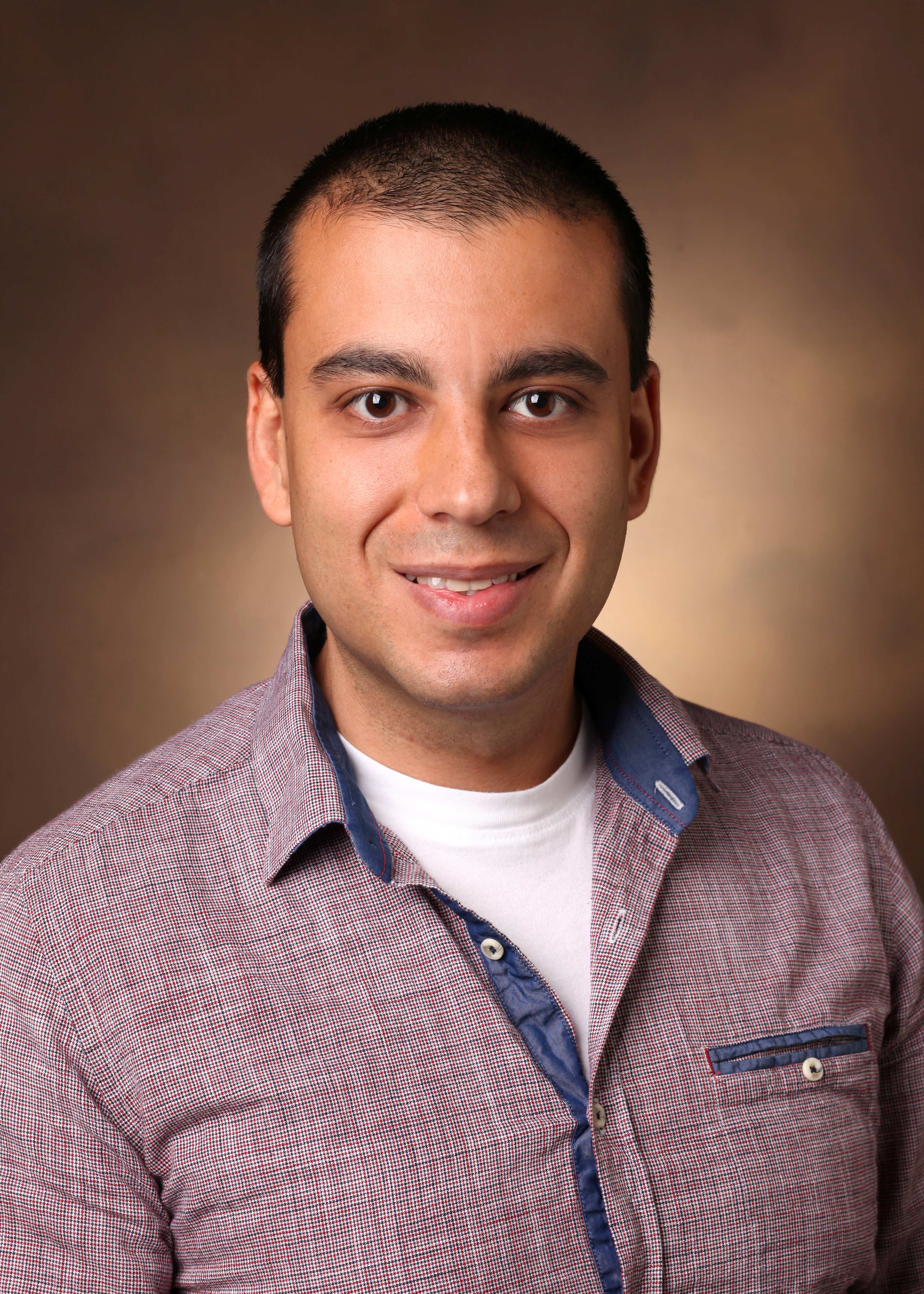
Gianni Castiglione, Ph.D.

  • Assistant Professor of Biological Sciences
  • Assistant Professor of Ophthalmology & Visual Sciences

Gianni Castiglione, Ph.D.

  • Assistant Professor of Biological Sciences
  • Assistant Professor of Ophthalmology & Visual Sciences

gianni.castiglione@Vanderbilt.Edu

Research Program

Research Description

Have any questions? Contact Us 1-877-936-8422 for more information

Ivelin Georgiev, Ph.D.

  • Professor of Pathology, Microbiology and Immunology
  • Louise B. McGavock Chair in Pathology, Microbiology and Immunology
  • Associate Professor of Biochemistry
  • Professor of Biomedical Informatics
  • Professor of Chemical and Biomolecular Engineering
  • Professor of Computer Science

Ivelin Georgiev, Ph.D.

  • Professor of Pathology, Microbiology and Immunology
  • Louise B. McGavock Chair in Pathology, Microbiology and Immunology
  • Associate Professor of Biochemistry
  • Professor of Biomedical Informatics
  • Professor of Chemical and Biomolecular Engineering
  • Professor of Computer Science

ivelin.georgiev@vumc.org

Research Program

Research Description

Have any questions? Contact Us 1-877-936-8422 for more information

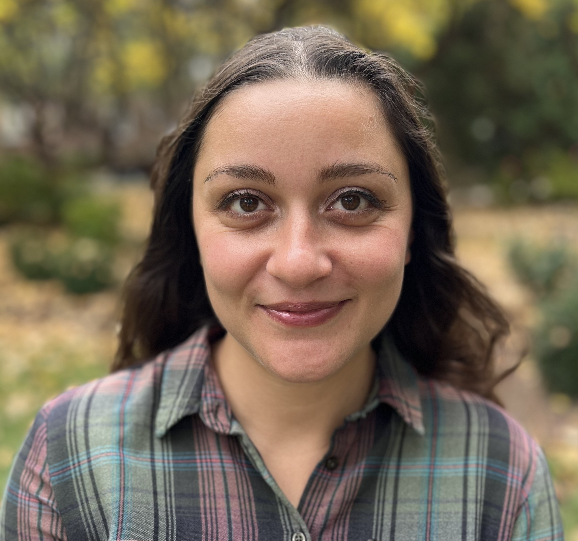
Fatma Sezen Meydan Marks, Ph.D.

  • Assistant Professor of Biochemistry

Fatma Sezen Meydan Marks, Ph.D.

  • Assistant Professor of Biochemistry

sezen.meydan@vanderbilt.edu

Research Program

Have any questions? Contact Us 1-877-936-8422 for more information
Subscribe to