Study shows end-of-life cancer care lacking for Medicare patients 

Submitted by vicc_news on

Many Medicare patients with advanced cancer receive potentially aggressive treatment at the expense of supportive care, according to a study that analyzed Medicare records. 

The study, published Feb. 21 in JAMA Health Forum, examined the quality of end-of-life care among 33,744 Medicare decedents. The study involved patients of diverse ethnic backgrounds age 66 or older who died from breast, prostate, pancreatic or lung cancers.  

Overall, claims records showed that 45% of the patients experienced potentially aggressive care (such as multiple acute care visits within days of death), while there was a low receipt of supportive care, such as palliative, hospice and advanced care planning in the last six months of life. While hospice care spiked to more than 70% during the month that death occurred, over 16% of patients spent less than three days in hospice care. Moreover, receipt of advanced care planning and palliative care remained below 25%. 

“Care at end-of-life continues to favor overtreatment despite considerable efforts to raise awareness about the harms of aggressive treatment in the last decade,” said Youngmin Kwon, PhD, a research fellow with the Department of Health Policy at Vanderbilt University Medical Center.  

Access to supportive care varied among demographic groups. Patients who were older, non-Hispanic white, had longer survival durations, or lived in rural areas, as well as areas with lower socioeconomic levels, were less likely to receive supportive care. 

“For dying patients and their caregivers, hospice is often considered the gold standard of end-of-life that can holistically manage care needs,” the authors noted. “The fact that a considerable portion did not use hospice care at all or entered into hospice care within three days of death suggests the potential benefits of hospice care were not realized for many patients.” 

The findings underscore the need for multifaceted efforts to optimize the quality of end-of-life care for cancer patients. 

 “Having clear and honest communication between patients, their caregivers and providers regarding disease prognosis and advanced planning is crucial,” said Kwon. “At the same time, policies to increase access to supportive care and ensure an adequate workforce of palliative care providers are necessary to address structural barriers to high-quality care.” 

The post Study shows end-of-life cancer care lacking for Medicare patients  appeared first on VUMC News.

Experts publish action plan to address appendiceal cancer enigmas

Submitted by vicc_news on

Appendiceal cancer is a rare cancer without standardized screening guidelines, risk factors or tumor classifications — a situation that often results in late diagnosis and poor prognosis.  

Up to 1 of every 2 patients is diagnosed with distant metastatic disease, and five-year survival rates vary between 10% and 63%. A team of experts has identified six key research priority areas to deliver a fundamental understanding of appendiceal tumors and to improve treatments and outcomes for patients. Research to advance treatments for this rare cancer is critical.

The recommendations published Feb. 13 in Nature Reviews Cancer are the result of a concerted focus by the Appendix Cancer Pseudomyxoma Peritonei (ACPMP) Research Foundation to better understand the disease that afflicts an estimated 3,000 new patients across all age groups each year. The incidence could be higher because of the challenges accurately diagnosing the disease and identifying the tumor type, the researchers noted.

“The rising burden of appendiceal cancer has illuminated the rudimentary knowledge gaps — spanning from genomes to generations — in our understanding of this rare cancer. By establishing this first-ever research ‘road map’ for appendiceal tumors, we aim to drive collaborative and transformative research discoveries that ultimately will lead to improvements in disease detection, diagnosis, treatments and outcomes for our patients,” said Andreana Holowatyj, PhD, MSCI, assistant professor of Medicine at Vanderbilt University Medical Center and chair of the Scientific Advisory Board for the ACPMP Research Foundation, the article’s lead author.

The recommendations arose from the inaugural ACPMP Research Foundation Scientific Think Tank, sponsored by ACPMP and chaired by Holowatyj at Vanderbilt-Ingram Cancer Center in December 2023. The Think Tank showcases the benefits for scientific collaborations, for robust investments in rare cancer research, and for informing evidence-based medicine. The ongoing effort continues to be a catalyst for revolutionizing the field of research for appendix cancer.

Twenty leading experts on appendiceal cancer met at the Think Tank, and a study group from that meeting are authors of the article.

“This Think Tank and the subsequent publication mark a watershed moment for appendix cancer research,” said Deborah Shelton, JD, Executive Director of ACPMP Research Foundation and co-author of the article. “For far too long, appendix cancer has remained underfunded and underresearched, leaving patients with limited options. These research priorities provide a clear path forward, and ACPMP is committed to ensuring the necessary funding and resources to propel these efforts.”

The six research priorities:

  • Refining histopathological classification – Appendix tumors are not a single entity. Variability of terminology for appendix tumor classification is a challenge due to the rarity of the cancer and supports the need for expert pathology review of appendix tumors among all patients. Consistent application of tumor classification and grading, digitizing histology for tumor detection, and leveraging computational approaches to refine tumor diagnosis are needed.
  • Molecular characterization of appendix tumors – The discovery of appendix tumor cells most often occurs postappendectomy when the entire appendix has been removed prior to cancer diagnosis. Preserving and molecular profiling of this tissue are necessary to establish a composite multiomics view of appendiceal tumors.
  • Defining the appendiceal tumor microenvironment – A better understanding of the dynamic ecosystem surrounding tumor cells will yield new information for treating appendiceal cancer as well as understanding tumor evolution and disease progression. This information should also be used to contribute to a molecular atlas for appendix tumors.
  • Development of disease-specific models – The number of appendix tumor models is extremely limited. Research continues on developing patient-derived organoids to support preclinical testing of new therapeutic drugs.
  • Clinical studies of appendix tumors – Collaborative, multicenter efforts — such as the Genetics of Appendix Cancer (GAP) Study at Vanderbilt-Ingram, as well as the development of clinical trials in appendix tumors will yield evidence-based, clinically impactful advancements in this rare cancer.
  • Appendix cancer on a population level – Population studies will help researchers identify potential risk factors and/or exposures associated with appendix tumors and address distinct care needs of patients with appendix tumors. These studies will deliver key data to establish early detection strategies, support clinical trials, improve clinical practice and impact public policy.

The study’s other authors include Michael Overman, MD, Konstantinos Votanopoulos, MD, PhD, Andrew Lowy, MD, Patrick Wagner, MD, Mary Kay Washington, MD, PhD, Cathy Eng, MD, Wai Chin Foo, MD, Richard Goldberg, MD, Mojgan Hosseini, MD, Kamran Idrees, MD, MSCI, MMHC, Douglas Johnson, MD, MSCI, Ardaman Shergill, MD, Erin Ward, MD, and Nicholas Zachos, PhD.

Their work was supported by the ACPMP Research Foundation, Vanderbilt-Ingram Cancer Center and NIH/NCI (P50CA236733).

The post Experts publish action plan to address appendiceal cancer enigmas appeared first on VUMC News.
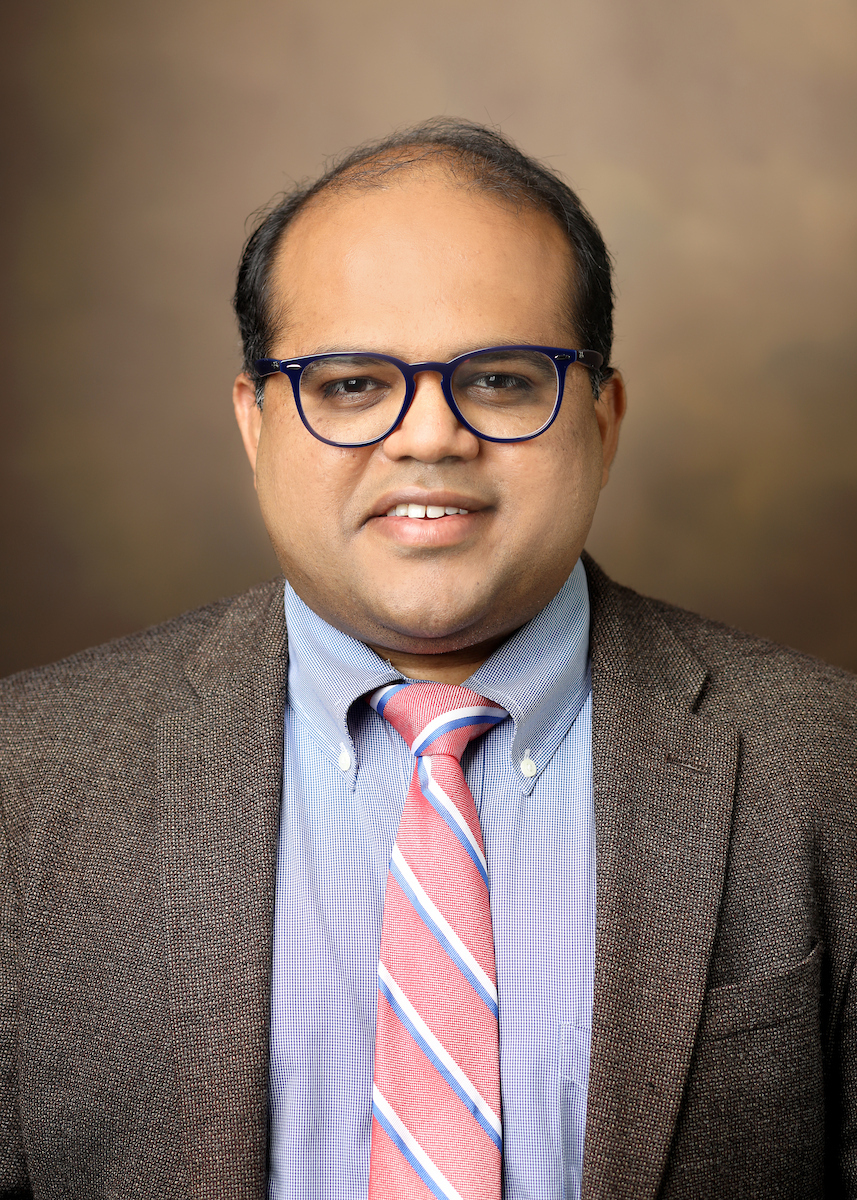
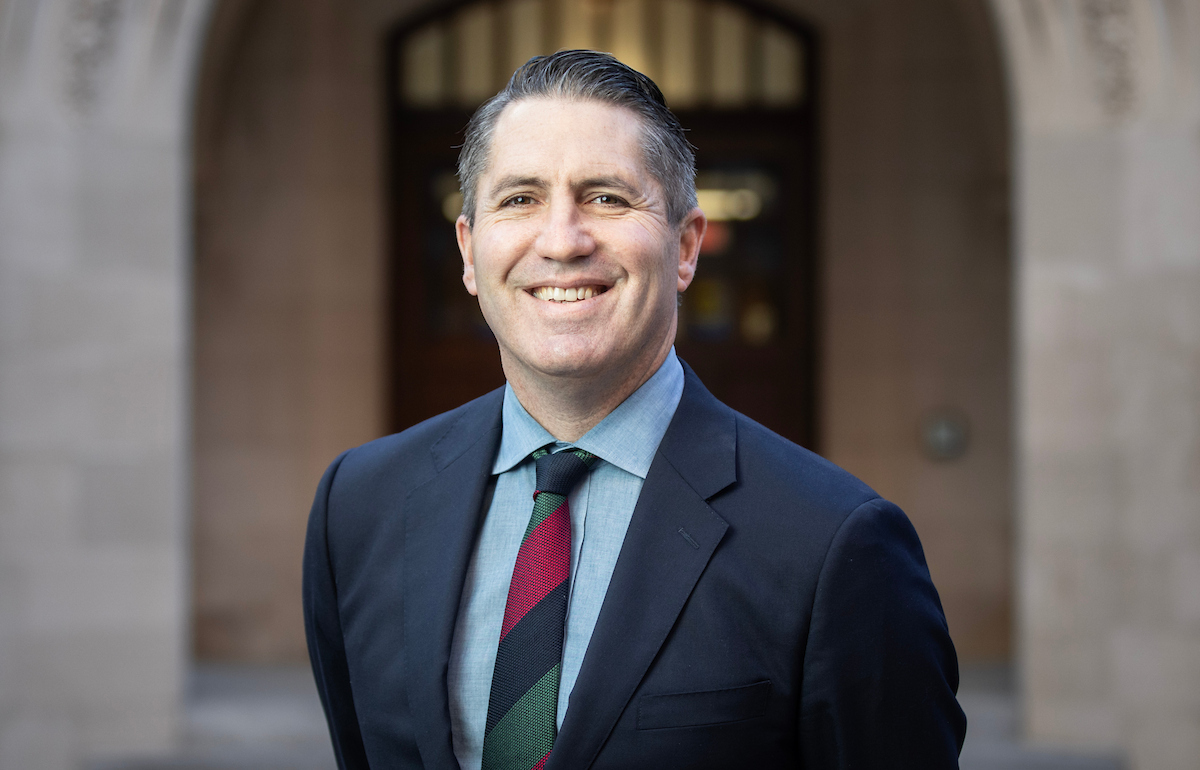
Evan Krystofiak, Ph.D.

  • Research AssistantProfessor of Cell and Developmental Biology

Evan Krystofiak, Ph.D.

  • Research AssistantProfessor of Cell and Developmental Biology

evan.krystofiak@Vanderbilt.Edu

Research Program

Research Description

Have any questions? Contact Us 1-877-936-8422 for more information

Ashwin Kishtagari, M.D.

  • Assistant Professor of Medicine (Hematology/Oncology)

Ashwin Kishtagari, M.D.

  • Assistant Professor of Medicine (Hematology/Oncology)

ashwin.kishtagari@vumc.org

Research Program

Research Description

Have any questions? Contact Us 1-877-936-8422 for more information

Ray Peebles, M.D.

  • Professor Medicine (Allergy, Pulmonary and Critical Care)

Ray Peebles, M.D.

  • Professor Medicine (Allergy, Pulmonary and Critical Care)

stokes.peebles@vumc.org

Research Program

Have any questions? Contact Us 1-877-936-8422 for more information

Alexander Gelbard, M.D.

  • Professor of Otolaryngology - Head and Neck Surgery

Alexander Gelbard, M.D.

  • Professor of Otolaryngology - Head and Neck Surgery

alexander.gelbard@vumc.org

Research Program

Research Description

Have any questions? Contact Us 1-877-936-8422 for more information

.news-headline__content p { text-transform: none; font-size: unset; line-height: unset; letter-spacing: unset; } .news-headline__content { width: 70%; text-align: left; } .news-headline__image { width: 30%; } .news-headline__button { display: none; } .news-headline__header { height: 100%; } .news-headline__button-container{ margin-top: 70px; }

Alan Ashworth, PhD, FRS

(UCSF Helen Diller Family Comprehensive Cancer Center)

is the President of the Helen Diller Family Comprehensive Cancer Center at University of California, San Francisco and Senior Vice President for clinical services, UCSF Health. Dr. Ashworth was a key member of the team that discovered the BRCA2 gene in 1995, which is linked to an increased risk of breast, ovarian and other cancers. In 2005, his lab identified a way to exploit genetic weaknesses (using synthetic lethality) in cancer cells with mutated BRCA1 or 2 genes, leading to a new approach to cancer treatment, PARP inhibition. Four different PARP inhibitors have now been approved by the FDA for the treatment of ovarian, breast, pancreatic and prostate cancer based on this observation, which was named by Nature in the top 20 discoveries in cancer in the 21st century. He continues to develop new treatments for cancer using genetic principles.

Judy E. Garber, MD, MPH

(Dana Farber Cancer Institute)

is the Susan F. Smith Chair and Chief of the Division of Cancer Genetics and Prevention at Dana-Farber Cancer Institute and a Professor of Medicine at Harvard Medical School. She conducts research in clinical cancer genetics, with a special focus in the genetics of breast cancer. Dr. Garber is also a leader in research into the characteristics and treatment of triple negative breast cancer, the most common form in women with BRCA1 mutations and an expert in Li-Fraumeni Syndrome. Her translational research focuses on the evaluation of novel agents targeting DNA repair defects in breast cancer, including PARP inhibitors for treatment and prevention of breast cancer and other BRCA-associated cancers, and the study of other agents for reduction of breast cancer risk.

Padma Sheila Rajagopal

(National Institute of Health, Cancer Data Science Laboratory)

is a recipient of the Ruth L. Kirschstein F32 Postdoctoral Fellowship and the American Society of Clinical Oncology / Breast Cancer Research Foundation Conquer Cancer Young Investigator Award for her research on integrating germline variants through a predicted transcriptome model of the breast and comparing prognostication of outcomes in breast cancer to the tumor transcriptome. She joined the Cancer Data Science Laboratory as an Assistant Clinical Investigator in 2021. Dr. Rajagopal’s laboratory currently investigates how genomic and transcriptomic interactions between germline variants / inherited cancer syndromes and somatic development in tumors can improve clinical prediction and prognostication in patients with cancer.

Bert Vogelstein, MD

(Sidney Kimmel Comprehensive Cancer Center at Johns Hopkins)

is the Clayton Professor of Oncology and Pathology, An Investigator of the Howard Hughes Medical Institute, and a Director of the Ludwig Institute and Lustgarten Dedicated Laboratory for Pancreatic Cancer Research at the Sidney Kimmel Comprehensive Cancer Center at Johns Hopkins. Dr. Vogelstein and his colleagues discovered the genetic basis of human colorectal tumors. In the process, they discovered many of the genes, pathways, and concepts that are the foundation of modern cancer research. His group's basic scientific studies have been distinguished by a focus on practical applications of the knowledge gained from their work. For example, Vogelstein and his colleagues not only participated in the discovery of the genetic bases for hereditary colorectal cancer predisposition syndromes in the 90's, but a more recently developed an effective form of therapy for one such syndrome that is based on understanding of its genetic defect. From a broader perspective, his group initiated a new chapter in diagnostics in 1992 when they demonstrated that somatically acquired driver gene mutations can be used as biomarkers for cancer. This approach is now often referred to as "liquid biopsies". His group currently focuses on developing new approaches to detect cancers earlier as well as developing novel immunotherapeutic agents that can combat cancer if it is not detected early enough.

Artificial Intelligence in Cancer Research and Clinical Care

Bennett Landman, Ph.D.

  • Stevenson Chair of Engineering
  • Director, Vanderbilt Lab for Immersive AI Translation (VALIANT)
  • University Distinguished Professor of Electrical and Computer Engineering and Radiology and Radiological Sciences
  • Professor of Biomedical Engineering, Computer Science, Neurology
  • Associate Professor of Biomedical Informatics and Psychiatry and Behavioral Sciences

Email

bennett.landman@Vanderbilt.Edu
FGH 382
Nashville , TN 37027

Bennett Landman, Ph.D.

  • Stevenson Chair of Engineering
  • Director, Vanderbilt Lab for Immersive AI Translation (VALIANT)
  • University Distinguished Professor of Electrical and Computer Engineering and Radiology and Radiological Sciences
  • Professor of Biomedical Engineering, Computer Science, Neurology
  • Associate Professor of Biomedical Informatics and Psychiatry and Behavioral Sciences

bennett.landman@Vanderbilt.Edu

FGH 382
Nashville , TN 37027

Research Program

Have any questions? Contact Us 1-877-936-8422 for more information
Subscribe to