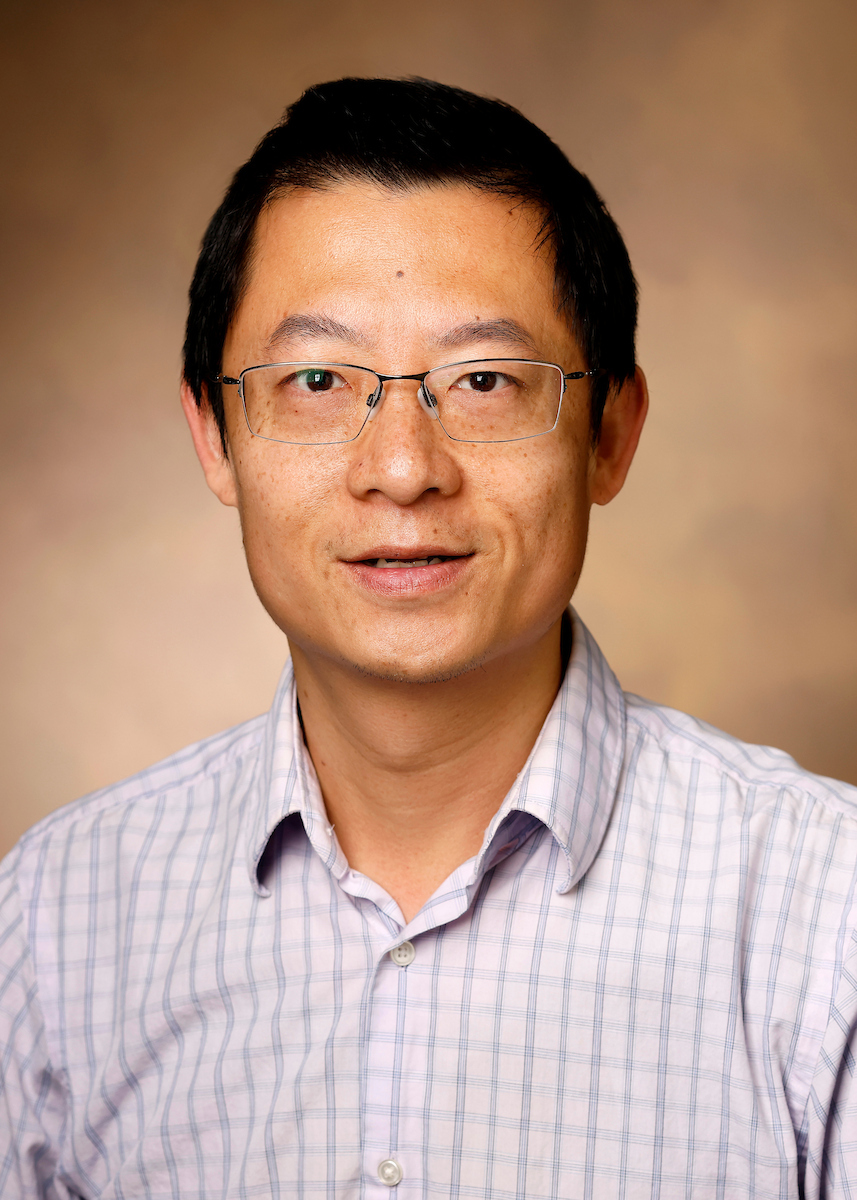
Katrin Karbstein, Ph.D.
- Co-Leader, Cancer Cell Biology Research Program
- Ingram Professor of Cancer Research
- Professor of Biochemistry
Xiaoyu Jiang, Ph.D.
- Research Assistant Professor of Radiology and Radiological Sciences
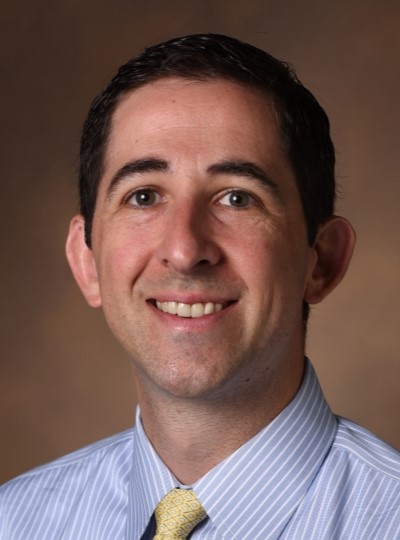
Daniel Benedetti, M.D., M.A.
- Associate Professor of Pediatrics (Hematology/Oncology)
- Carolyn Perot Rathjen Faculty Fellowship
The study reported in the journal Nature provides a mechanistic explanation for the obesity paradox that obesity can contribute to cancer progression but also improve response to immunotherapy.
John Scheel, M.D., Ph.D.. M.P.H
- Professor of Radiology and Radiological Sciences
The phase III trial compares the effect of pembrolizumab to observation for the treatment of patients with early-stage triple-negative breast cancer who achieved a pathologic complete response after preoperative chemotherapy in combination with pembrolizumab. Immunotherapy with monoclonal antibodies, such as pembrolizumab, may help the body's immune system attack the cancer, and may interfere with the ability of tumor cells to grow and spread. This trial may help researchers determine if observation will result in the same risk of cancer coming back as pembrolizumab after surgery in triple-negative breast cancer patients who achieve pathologic complete response after preoperative chemotherapy with pembrolizumab.
This is a multicenter, randomized, open label phase lll trial to assess whether preoperative chemotherapy, as an adjunct to curative-intent surgery, improves the prognosis of high risk DDLPS (dedifferentiated Liposarcoma) and LMS (Leiomyosarcoma) patients as measured by disease free survival.
After confirmation of eligibility criteria, patients will be randomized to either the standard arm or experimental arm.
This is a multicenter, Phase 1b/2 trial in participants with estrogen receptor positive/human epidermal growth factor receptor 2 negative (ER+/HER2-) advanced/metastatic breast cancer. The phase 1b part of the trial will determine the recommended Phase 2 dose (RP2D) of elacestrant when administered in combination with alpelisib, everolimus, palbociclib, capivasertib, and ribociclib. The Phase 2 part of the trial will evaluate the efficacy and safety of the various combinations.
The goal of this clinical trial is to evaluate the safety of TOS-358 in adults with select solid tumors who meet study enrollment criteria. The main questions it aims to answer are:
1. what is the maximum tolerated dose and recommended dose for phase 2?
2. how safe and tolerable is TOS-358 at different dose levels when taken orally once or twice per day?