Denise Garcia, M.D.

  • Assistant Professor of Surgery, Division of Surgical Oncology and Endocrine Surgery

Denise Garcia, M.D.

  • Assistant Professor of Surgery, Division of Surgical Oncology and Endocrine Surgery

di.garcia@vumc.org

Research Program

Research Description

Have any questions? Contact Us 1-877-936-8422 for more information

Matthew Burger, M.D.

  • Instructor in Radiology and Radiological Sciences

Matthew Burger, M.D.

  • Instructor in Radiology and Radiological Sciences

matthew.burger@vumc.org

Research Program

Have any questions? Contact Us 1-877-936-8422 for more information
This is a multicenter, randomized, open-label, Phase 3 study in participants with newly diagnosed multiple myeloma to evaluate the benefits of teclistamab in combination with lenalidomide and teclistamab alone versus lenalidomide alone as maintenance therapy after autologous stem cell transplant.
NRG-CC015 is a prospective, randomized phase III clinical trial to evaluate the efficacy of two distinct digital approaches for delivering a mindfulness-based intervention: a live, instructor-led version delivered over Zoom (MAPs LO), and an app-based, self-paced version (MAPs App). Participants will include younger breast cancer survivors (BCS) who were diagnosed with breast cancer at or before age 50 years, have completed their primary cancer treatment (i.e., surgery, radiation, and/or chemotherapy) at least 6 months earlier, and report elevated depressive symptoms.

Clinical trial led by Vanderbilt Health seeks to refine lung cancer biopsy standards

Submitted by vicc_news on

Vanderbilt Health investigators have received a grant from AstraZeneca to lead a multisite, randomized controlled trial aimed at refining the standard of care when using robotic bronchoscopy combined with three-dimensional imaging to obtain lung samples for malignancy assessment and gene sequencing.

“Recent advances in minimally invasive bronchoscopic techniques have improved the diagnostic yield, particularly for peripheral pulmonary lesions, and in the recent VERITAS trial, we demonstrated that navigational bronchoscopy can achieve a diagnostic accuracy of around 79%,” said Fabien Maldonado, MD, MSc, professor of Medicine and Thoracic Surgery and director of Interventional Pulmonology at Vanderbilt Health. “That is statistically comparable to transthoracic needle biopsy, which is around 74% accurate.”
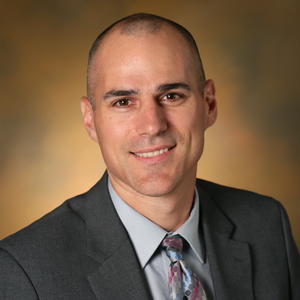
Fabien Maldonado, MD, MSc

“Because of the proven success of navigational bronchoscopy, we now want to determine whether or not the rapid, on-site evaluation (ROSE) of biopsy material remains a necessary step. We’ll test the hypothesis that this advanced bronchoscopy procedure done without ROSE guidance is non-inferior to bronchoscopy with ROSE. This could have immediate patient care implications, potentially shortening procedure time, improving specimen quality and avoiding complications from additional, unnecessary biopsies.”

ROSE has been the standard of care for decades in navigational bronchoscopy, but it adds time, cost and may paradoxically result in lower quality specimens. It can also lead to complications from unnecessary biopsies motivated by unclear intraprocedural results. With modern techniques such as robotic bronchoscopy with cone-beam CT technology, which is rapidly becoming the standard of care, the need for ROSE needs to be studied, said Maldonado, who holds the Pierre Massion Directorship in Lung Cancer Research.

The development of better biopsy approaches is driven by the fact that lung cancer kills more than 130,000 Americans annually, and survival depends on early diagnosis, which requires biopsy to be definitive. Current approaches make accurate biopsy challenging or even impossible for many hard-to-reach lesions.

These modern bronchoscopy techniques extend the range of bronchoscopes and the ability to access lesions reliably and safely throughout the lung, including in the peripheral zone, said study co-investigator Rafael Paez, MD, MSCI, assistant professor of Medicine in the Division of Allergy, Pulmonary and Critical Care Medicine.

The Advanced Robotic Techniques and Rapid Onsite Evaluation for Minimally Invasive Diagnosis and Next-Generation Sequencing (ARTEMIS) trial will be conducted at Vanderbilt Health and nine other United States medical centers. Expected enrollment will be 440 adults who are scheduled for a navigational bronchoscopy for the evaluation of a pulmonary lesion. Participants will be randomized to have the procedure with the addition of ROSE or to have the procedure without ROSE.

The primary objective is to assess the diagnostic yield of robotic bronchoscopy with and without ROSE for peripheral lung lesions. A secondary objective is to compare the adequacy of malignant tissue samples for next-generation sequencing (NGS) between the two intervention strategies.

ROSE involves the immediate microscopic assessment of biopsy specimens, typically performed by a cytotechnologist or cytopathologist, to confirm the adequacy of biopsy samples obtained during a bronchoscopy for the diagnosis of malignancy. This has also been an important step in the past to ensure sufficient tissue is obtained for NGS to identify genetic mutations to guide treatment decisions, said Maldonado.

A 2023 Rapid On-site Evaluation Practice Variability Appraisal survey of interventional pulmonologists revealed significant variation in ROSE utilization. Of the 137 respondents, 88% reported ROSE availability, while time constraints (28%), availability of cytology (22%) and scheduling conflicts (20%) were the most reported barriers to ROSE utilization.

“Additional motivation for determining if ROSE use and non-ROSE use yield similar outcomes during diagnostic procedures is that ROSE is historically poorly reimbursed and uses considerable hospital resources,” Maldonado said. “Our findings will guide interventional pulmonologists in optimizing workflow and technology during robotic bronchoscopy, aiming to maintain the nearly 80% diagnostic yield seen in trials like VERITAS, thus improving patient care as we evaluate pulmonary lesions.”

The post Clinical trial led by Vanderbilt Health seeks to refine lung cancer biopsy standards appeared first on Vanderbilt Health.

This study consists of 2 portions. The phase 2 portion is an open-label, single-arm study to evaluate the safety and efficacy of NAI, PD-L1 t-haNK, and bevacizumab combination therapy in participants with recurrent or progressive GBM. The phase 2B portion is an open-label, randomized study to evaluate the efficacy and safety for the following 2 experimental arms in participants with recurrent or progressive GBM: NAI, bevacizumab, and TTFields combination therapy (Arm A) or NAI, PD-L1 t-haNK, bevacizumab, and TTFields combination therapy (Arm B). Phase 2 Treatment for all enrolled participants will consist of repeated cycles of 28 days for a maximum treatment period of 76 weeks (19 cycles) as follows: Every 2 weeks (Days 1 and 15 of a 28-day cycle) Fourteen (14) participants were enrolled in the phase 2 portion of this study as of the date of this v02 protocol. No additional participants will be administered therapy in phase 2. Phase 2B Participants will be randomized 1:1 to 1 of 2 experimental arms (Arm A or Arm B). Treatment for all enrolled participants will consist of repeated 8-week cycles for a maximum treatment period of up to 80 weeks (10 cycles). Experimental Arm (A): Every 2 weeks (Days 1, 15, 29, and 43 of an 8-week cycle) Up to twenty (20) participants will be randomized in phase 2B (up to 10 participants/arm. Duration of Treatment: Participants will receive study treatment for up to 76 weeks during phase 2 (up to 19 repeated 28-day cycles) and for up to 80 weeks (up to 10 repeated 8-week cycles) during phase 2B or until they report unacceptable toxicity (not corrected with dose reduction), withdraw consent, or if the Investigator feels it is no longer in the participant's best interest to continue treatment. Treatment may also be discontinued if the participant has confirmed PD per iRANO, unless the participant is clinically stable and is considered potentially deriving benefit per Investigator's assessment. Duration of Follow-up: Participants who discontinue study treatment should remain in the study for follow-up. Participants should be followed for collection of survival status, posttreatment therapies (phase 2 and phase 2B), and medical history (phase 2B only) every 12 weeks ( 2 weeks) for the first 2 years then yearly thereafter for an additional 3 years. The maximum duration of follow-up is 5 years (260 weeks).

Guide published for outpatient cancer treatment with bispecific antibodies

Submitted by vicc_news on

Hematologists with Vanderbilt-Ingram Cancer Center have published strategies for implementing outpatient treatment programs for bispecific antibodies, an immunotherapy that can cause adverse reactions.

The recommendations, published recently in JCO Oncology Practice, detail a comprehensive overview of the potential risks, treatment options for dealing with reactions, prophylactic protocols to prevent them from occurring, and the roles of an interdisciplinary care team within an outpatient program. The team at Vanderbilt-Ingram has expertise in outpatient care models for immunotherapy treatment because Vanderbilt-Ingram was among the first in the nation to establish outpatient protocols for another personalized immunotherapy, CAR-T.

Bispecific antibodies (BsAb) utilize engineered antibodies, molecular spikes, which bind to both cancer cells and immune cells, activating a patient’s T cells to attack hematologic malignancies. With CAR-T (chimeric antigen receptor T-cell therapy), T cells are harvested from a patient, then reengineered to recognize and destroy cancer cells before being infused back into the patient’s body. Both therapies can elicit strong immune responses with complications that pose risks, including cytokine release syndrome, a potentially life-threatening reaction that can damage healthy tissues and organs.

For this reason, the BsAb and CAR-T therapies typically require inpatient monitoring, which can be an economic and logistical burden for both patients and hospitals.

“Bispecific antibodies are a major advance in the field of cancer immunotherapy,” said the article’s corresponding author, Bhagirathbhai Dholaria, MBBS, associate professor of Medicine. “This class of drugs is available off the shelf, which makes them ideal for utilization in the community settings. In this article, we have provided a comprehensive framework to establish an outpatient bispecific antibodies program, especially for community practices, which do not have an already established CAR-T program. Our strategy has the potential to greatly reduce the logistical and financial burden during step-up dosing of bispecific antibodies while maintaining safety of the patients.”

The protocols suggested are for seven BsAb therapies that have been approved by the Food and Drug Administration for non-Hodgkin lymphoma and multiple myeloma. They address potential complications, including cytokine release syndrome, infections, cytopenia, tumor flare reactions, and immune effector cell-mediated neurotoxicity syndrome.

The authors noted that while outpatient programs for CAR-T were established before bispecific antibodies, CAR-T poses higher risks for adverse reactions. Their recommendations prioritize early recognition and intervention for these complications, particularly in the first cycle of treatment with BsAb when most cytokine release syndrome events are likely to occur.

The paper provides an infrastructure and workflow guide for how clinicians can work with patients to implement monitoring and address care needs. They also stress the importance of educating both patients and family/friend caregivers about proper protocols for remote monitoring.

The article’s additional authors are Kian Rahbari, MD, and Raul del Toro Mijares, MD, Kathryn Kennedy, RN, Leslie Mader, RN, Salyka Sengsayadeth, MD, Reena Jayani-Kosarzycki, MD, James Jerkins, MD, Andrew Jallouk, MD, Tae Kon Kim, MD, Shakthi Bhaskar, MD, Vivek Patel, MD, Brittney Baer, RN, Sarah Moseley, RN, David Morgan, MD, Bipin Savani, MD, Adetola Kassim, MD, Muhamed Baljevic, MD, and Olalekan Oluwole, MD.

The post Guide published for outpatient cancer treatment with bispecific antibodies appeared first on VUMC News.

Patients with clonal hematopoiesis have increased heart disease risk following cancer treatment 

Submitted by vicc_news on

About 1 in 5 patients with cancer who undergo genetic testing are incidentally found to have mutations in their blood called clonal hematopoiesis of indeterminate potential (CHIP). A study from Vanderbilt Health researchers reveals that it puts them at increased risk for heart disease following cancer treatment.

The findings, published Jan. 8 in JAMA Oncology, support the potential benefits of screening patients for CHIP before they undergo cancer treatment so they can be more closely monitored for heart complications. CHIP is a condition, not a disease, characterized by age-related variants in blood stem cells, and it is typically asymptomatic.

The researchers were able to determine which patients had CHIP by using Vanderbilt Health’s biorepository, BioVU, to link electronic health records with whole-genome sequencing data. They compared the cardiovascular health outcomes of the patients with CHIP to outcomes of patients without the condition. All the patients had been diagnosed with solid tumors, and none had heart failure, ischemic heart disease or arrhythmia before undergoing cancer treatment.

Over a 10-year period following treatment, patients with CHIP had a significantly higher incidence of heart failure (20.3% versus 14.5%) and ischemic cardiovascular disease (25.3% versus 18.5%). The effect was amplified in patients who received more intensive chemotherapy.

“We frequently find CHIP in patients with cancer, but previously we did not consider this to be an important result for their care. We now know that these patients are at higher risk of heart disease and would likely benefit from including cardiologists in their care team,” said the study’s corresponding author, Alexander Bick, MD, PhD, associate professor of Medicine, holder of the Edward Claiborne Stahlman Chair, and director of the Division of Genetic Medicine and Clinical Pharmacology.

The patients received chemotherapy, radiotherapy, immunotherapy, or a combination of the treatments. Cardiovascular disease is the leading cause of noncancer deaths among cancer survivors.

The researchers analyzed data from 8,004 patients, and 549 of them were identified with CHIP. To their knowledge, the study is the largest to date evaluating the association between CHIP and cardiovascular disease in patients with solid tumors who underwent cancer treatment. Most patients with CHIP were male (54% versus 45%) and had hypertension (78% versus 69%) compared to patients without the condition.

The clinical implications of the study are that there may be value in testing patients for CHIP prior to cancer treatment to stratify risk and tailor monitoring for cardiovascular diseases and offering early cardio-oncology consultations as well as consideration of cardioprotective strategies.  

The researchers received support from the National Institutes of Health (grants DP5OD029586 and T32GM007347). The sequencing of 250,000 individuals who have donated samples to BioVU has been funded by the Alliance for Genomic Discovery.

The study’s first authors are Derek Shyr, PhD, and Yash Pershad. The study was jointly supervised by Bick and Leo Luo, MD, assistant professor of Radiation Oncology at Vanderbilt Health.

Other Vanderbilt Health authors on the study are Ashwin Kishtagari, MD, Robert Corty, MD, PhD, Eric Shinohara, MD, MSCI, Ben Ho Park, MD, PhD, and Brett Heimlich, MD, PhD.

The post Patients with clonal hematopoiesis have increased heart disease risk following cancer treatment  appeared first on VUMC News.

This study will evaluate the safety, tolerability, and efficacy of Orca-T in participants undergoing reduced intensity or non-myeloablative allogeneic hematopoietic cell transplantation (alloHCT) for hematologic malignancies. Orca-T is an allogeneic stem cell and T-cell immunotherapy biologic manufactured for each patient (transplant recipient) from the mobilized peripheral blood of a specific, unique donor. It is composed of purified hematopoietic stem and progenitor cells (HSPCs), purified regulatory T cells (Tregs), and conventional T cells (Tcons).

Study identifies potential target for blood cancer treatment, prevention

A multi-institutional research team that included genomic scientists from Vanderbilt Health has identified a potential target for blood cancer prevention and treatment.

Their report, published Jan. 1 in the journal Science, could lead to new treatments for blood cancers, which kill an estimated 23,540 people in the United States every year.

The research team, led by scientists from Boston Children’s Hospital, Dana-Farber Cancer Institute, the Broad Institute of MIT and Harvard, and Memorial Sloan Kettering Cancer Center, found that the protein Musashi-2 (MSI2) is essential for the function of blood-forming stem cells.

High levels of MSI2 can support the unchecked growth of abnormal stem cells, a precancerous condition known as clonal hematopoiesis of indeterminate potential, or CHIP.

The researchers used a genome-wide association study (GWAS) meta-analysis to identify a haplotype, or inherited grouping of genomic variants, which reduces MSI2 expression, thereby protecting against CHIP.

To validate these findings in humans, Alexander Bick, MD, PhD, Yash Pershad, and colleagues leveraged Vanderbilt Health’s DNA biobank, BioVU, the world’s largest repository of genetic material linked to de-identified electronic health records based at a single academic center.

By analyzing a unique longitudinal cohort of 3,000 patients with genetic sequencing performed approximately six years apart, the Vanderbilt Health team tested whether a variant which reduced the expression of MSI2 protected against the expansion of precancerous mutations.

Patients who carried the protective variant had precancerous clones that grew significantly more slowly than those without the variant. In many of these patients, the abnormal cells were transient; that is, they disappeared entirely over the study period rather than expanding into cancer.

“Most genetic studies only provide information from a snapshot in time, but the longitudinal samples in BioVU allowed us to study the mutations over six years,” noted Pershad, an MD/PhD student in the Bick lab, who with Bick is among the paper’s co-authors.

“We could clearly see that in people with the protective variant, precancerous clones behaved fundamentally differently than we expected — they shrunk or disappeared rather than expanding and becoming cancer,” Pershad said.

While CHIP results from somatic (acquired) blood stem cell mutations, this protection against it is inherited. This human genetic evidence suggests a potential way to prevent blood cancer by targeting MSI2 through small molecule inhibition or genome editing.

“More broadly,” the researchers concluded, “we provide an example of how resilience to cancer can arise through inherited genetic variation, motivating the search for other natural pathways that could be leveraged to prevent or treat malignancy.”

Bick, the Edward Claiborne Stahlman Professor, associate professor of Medicine, and director of the Division of Genetic Medicine and Clinical Pharmacology at Vanderbilt Health, is internationally known for his research on the genetics of blood disorders.

His research is supported in part by National Institutes of Health grants DP5OD029586, R01AG088657 and R01AG083736, a Burroughs Wellcome Fund Career Award, a Pew-Stewart Scholar for Cancer Research award, and a Hevolution/AFAR New Investigator Award in Aging Biology and Geroscience Research.

The post Study identifies potential target for blood cancer treatment, prevention appeared first on VUMC News.

Subscribe to