
Cancer Prevention and Screenings
General Cancer Screening
Cancer screening allows for the detection of early warning signs, offering the best chance for successful treatment and remission. Screening is often recommended based on lifestyle factors, such as a history of smoking, and genetic predisposition, where a patient’s family history indicates they’re at a greater risk for developing the disease.
What should people know about cancer screening?
Cancer screening is essential for detecting cancer at earlier stages when they are most treatable. Guidelines are developed by expert panels and may differ a bit from one another but overall are similar. In addition, there are many factors that determine cancer risk and need for screening other than age alone. Some people need screening at ages earlier than the general population based on factors such as medical or family history, prior test results, lifestyle, and others. Therefore, specific cancer screening recommendations should always be discussed with health care providers.
What cancers should women get screened for and at what age?
Women should be screened for breast, colorectal, and cervical cancers. For breast cancer, some experts suggest starting screening at age 40, and others suggest age 45. Women who are 40-44 should have the option to start screening, and all women should start at age 45. Women at higher risk may require screening at an earlier age. For colorectal cancer, women should start screening at age 45. Women at higher risk should begin cervical cancer screening at age 21. Depending on age and smoking history, women should be screened for lung cancer as well.
What cancers should men get screened for and at what age?
Men should be screened for colorectal cancer starting at age 45. Men at higher risk may require screening at an earlier age. At age 45-50, men should also start a conversation with their doctors about whether they should undergo early detection testing for prostate cancer. There are those at higher risk who may require testing at an earlier age. Depending on age and smoking pack year history, men should be screened as well for lung cancer.
When should smokers start getting lung scans for early detection?
Lung cancer screening should start at age 50 for all those current or former smokers with a history of 20 pack-years of smoking or greater. Pack years are calculated as multiplying the numbers of packs of cigarettes smoked per day by the number of years the person has smoked: 20 pack years is equal to smoking one pack per day for 20 years. One-half pack per day for 40 years, or two packs per day for 10 years, and similar. There are some individuals who are at higher risk for other reasons who may require screening earlier.
When are skin checks with dermatologists advised?
It is encouraged that individuals do self-skin exams or partner skin exams and seek care from a dermatologist for new or changing skin findings. This includes but is not limited to lesions that are asymmetric, have irregular borders, have varied colors, are bigger than the tip of a pencil eraser, or moles that look different from others or are changing. There are some individuals at high risk who require regular exams by dermatologists.
Should people ask their dentists or their primary care providers to check for oral cancer?
It is recommended that everyone does mouth self-exams and if they notice changes they should reach out to their dentist. In addition, dentists and primary care providers should look carefully at the time of routine exams. If a concerning lesion is seen, more specific tests can be done. Some individuals at high risk require regular exams by dentists.
How can people schedule screenings at Vanderbilt Health?
People should contact any of their health care providers at Vanderbilt to schedule a screening, and health care providers outside of Vanderbilt can refer their patients. Vanderbilt also has resources to help patients determine if they are at higher risk for a particular cancer than the general population.
Learn more about screening for specific types of cancer:
Genetic Counseling for Cancer Screening
Contact the Vanderbilt Hereditary Cancer Clinic at (615) 343-7400.
Who should undergo genetic testing for cancer risk?
Our understanding of genetics and cancer is rapidly evolving, so this question can be tricky, but we know that a person or family is more likely to have a hereditary risk for cancer when certain red flags are present. Those include cancers diagnosed earlier than usual, such as breast, colon, or uterine cancer diagnosed earlier than 50. Several relatives having the same type of cancer is another red flag. Some different types of cancer can be due to the same gene, so seeing colon and uterine in close relatives or breast, prostate, ovarian, and/or pancreatic cancers in close relatives can also be a red flag. There are certain types of cancer where having just one close relative with that cancer would make a person a good candidate for testing, and those include ovarian cancer or pancreatic cancer.
What types of cancer risk can be identified through genetic testing?
The most common types of cancer — breast, colon, prostate, uterine, ovarian, and pancreatic — have some genes associated with them. While genes have been discovered that are associated with many different types of cancer, they are not the explanation for most family histories. Overwhelmingly, most cancers are not hereditary. Only about 5-10% of cancers are hereditary.
What does the actual visit and test entail?
Genetic testing for cancer risk can be done through a saliva sample or a blood sample. There is no difference in accuracy whether the sample is collected from saliva or blood because our DNA is the same throughout our bodies. Since our consult is primarily a discussion, we offer many patients telemedicine appointments so they can be comfortable at home. These telemedicine sessions are the same as they would be in person. Then we can order the testing and have a saliva kit mailed to them and set up another telemedicine appointment to go over the results.
Is genetic testing covered by insurance?
People are often surprised to hear that this testing is covered by insurance when patients have certain personal or family histories of cancer.
If a test does determine an inherited risk, does that mean someone will actually get cancer?
No. Some people can live their whole lives with an inherited cancer risk and never develop cancer. It depends on the gene in question; the risks for cancer can vary greatly from a moderately increased risk all the way up to risks that approach 100% without any intervention. Our job is to help patients understand what their results mean for them and their family and how to put together a tailored screening plan based on the current understanding of that particular gene.
NCCN Patient Guidelines for Genetic Testing
Cancer Prevention
Cancer Prevention with Vaccines
Are there any vaccines that can prevent cancer?
There are two vaccines that prevent cancer: hepatitis B vaccine and human papillomavirus, or HPV, vaccine.
How safe are these vaccines?
Both of these vaccines are very safe and highly effective.
What are the recommendations for the hepatitis B vaccine?
It is recommended that all children get three doses of the hepatitis B vaccine within the first few months of life to protect against liver disease and liver cancer later in life. If the children are born to mothers who are carriers of hepatitis B then they need to be immunized within the first 12 hours of life and receive hepatitis B antibody to prevent infection. Infants who are infected with hepatitis B at birth have a high likelihood of being chronic carriers and developing liver cirrhosis or liver cancer.
What is HPV?
HPV is a very common virus with nearly 80 million people currently infected in the United States. This represents about 20% of the population. Overall, 14 million people, including teens, become infected with HPV each year. Most people with HPV never develop symptoms or health problems. Most HPV infections (9 out of 10) go away by themselves within two years. But sometimes, HPV infections will last longer and can cause certain cancers and other diseases.
What cancers does the HPV vaccine protect against?
HPV infection can cause cancers of the cervix, vagina, and the vulva in women; cancers of the penis in men; and cancers of the anus, back of the throat, including the base of the tongue and tonsils, in both women and men. Every year in the United States, HPV causes 33,700 cancers in men and women. HPV vaccination can prevent most of these cancers (31,200) from ever developing.
When should someone get the HPV vaccine?
HPV vaccine is recommended for all older children between 11 and 12 years of age. They should receive two injections of HPV vaccine six to 12 months apart. Adolescents who receive their two shots less than 5 months apart will require a third dose of HPV vaccine. If the child is older than 14 years, then three shots will need to be given over 6 months. Also, three doses are still recommended for people with certain immunocompromising conditions, ages 9 through 26. In 2018, the US Food and Drug Administration expanded the approved use to include women and men ages 27-45 years.
Are there other cancer prevention vaccines being developed?
There are a whole series of new cancer vaccines being investigated including vaccines against prostate cancer, breast cancer, lung cancer, colon cancer, pancreatic cancer, renal cell cancer, and melanoma. The concept of a cancer vaccine is to produce an immune response against one or more parts of the cancer so that the immune system can fight and destroy the cancer cell. This is similar to a vaccine against an infectious agent like a virus, where a vaccine stimulates immunity to the virus so that it can be stopped before it infects the patient, or that immunity can be generated to rid the body of the infection. Many of these vaccines are already being studied in clinical trials in people.
Cancer Prevention by Stopping Smoking
What resources are available for someone who wants to quit smoking?
In addition to your healthcare provider, there are many other resources available. The tobacco treatment clinic at the Vanderbilt Lung Institute has dedicated tobacco treatment counselors who offer telehealth and in-person appointments. The Tennessee Tobacco QuitLine also offers free counseling and medication and can be accessed by calling 800-QUIT-NOW. Smokefree.gov, a website operated by the National Cancer Institute and has excellent information, tips, and free tools such as texting and phone apps.
How important is it to seek assistance and guidance?
Using counseling and proven medication to quit smoking is very important. About 25 million U.S. adults currently smoke cigarettes, and over half try to quit each year, but fewer than 1% use counseling and medication. That means 99% of people trying to quit smoking are not getting the help they need. Unfortunately, 95% of people who try to quit without help are unsuccessful. Using counseling and medication can triple odds of success.
What medications are available for smoking cessation?
Nicotine replacement therapy is the most used medicine to quit smoking, and it comes in several forms including the patch, gum, lozenge and nasal spray. The patch is long-acting and provides a steady amount of nicotine all day. The other three forms are short-acting and can be used alongside the patch. Combining two forms of nicotine replacement — long-acting patch plus short-acting gum, lozenge or spray — yields higher success than using one form alone. Of the nicotine replacement options, only nasal spray requires a prescription.
Are there prescription medications for smoking cessation?
Varenicline (brand name Chantix) is highly effective, as well as bupropion.
How soon do people benefit from quitting?
The benefits of quitting smoking begin immediately. In the first 20 minutes, blood pressure and heart rate normalize. Within 12 hours, carbon monoxide levels drop to normal. Within days to weeks, breathing and circulation improve, and within one year, heart attack risk drops by 50%.
Cancer Prevention with Sunscreen
Care That’s Centered Around You
Patient & Family Resources
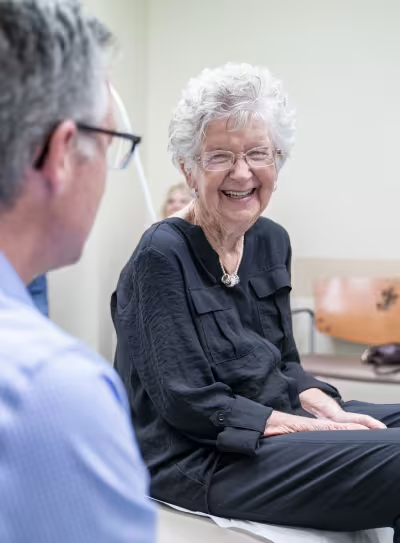
Access support programs, educational resources, and services designed to help patients and caregivers navigate cancer care.
Your Care With Us
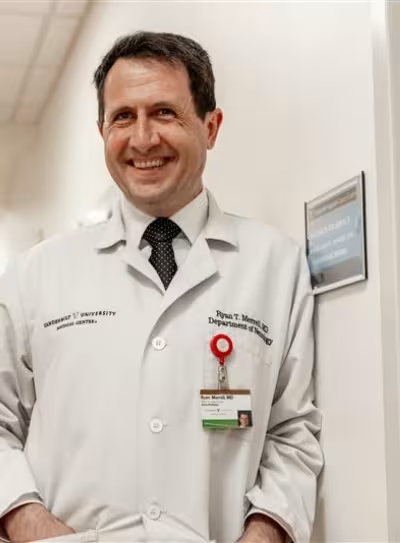
Learn what to expect before, during, and after treatment, including appointments, support services and survivorship resources.

Living With & After Cancer
Treating cancer can require additional interventions and rehab. Our specialists care for your whole self, not simply one part of the body.