
Research at Vanderbilt-Ingram
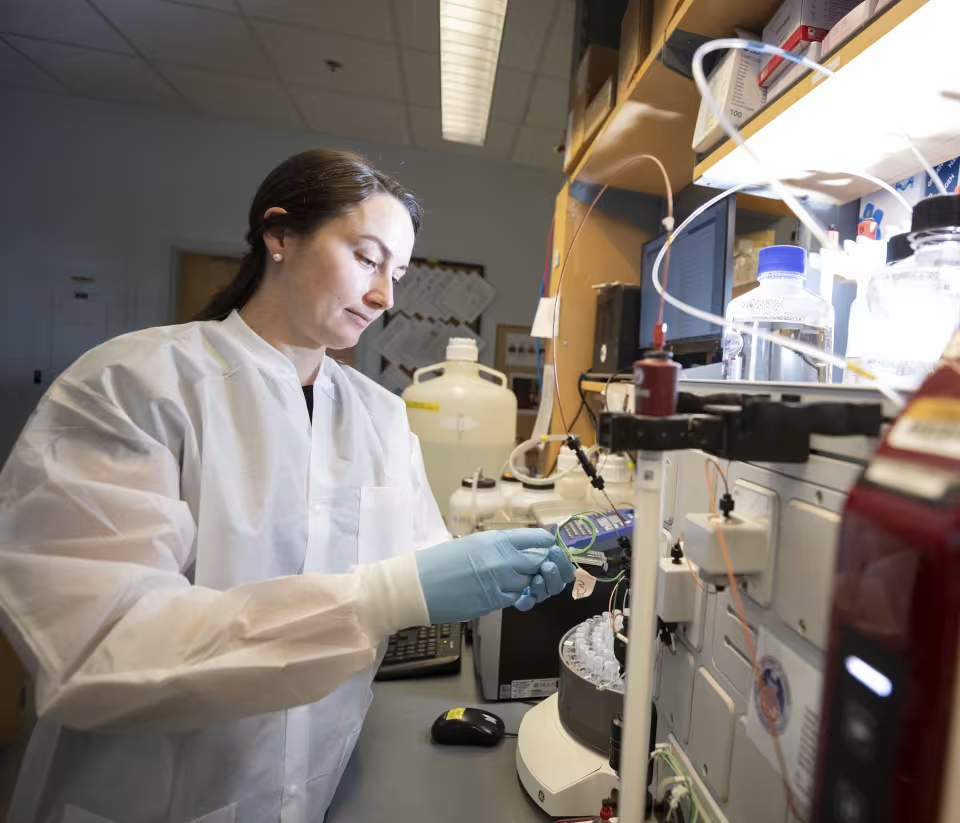
Research drives every aspect of cancer care at Vanderbilt-Ingram Cancer Center. More than 300 researchers and physician-scientists work together to advance cancer prevention, diagnosis, treatment, and survivorship — helping bring new discoveries from the laboratory to patients and communities.
Research That Moves Cancer Care Forward
Cancer research is how new treatments are discovered, prevention strategies are developed, and patient outcomes improve. At Vanderbilt-Ingram, researchers and clinicians work together to translate scientific discoveries into meaningful advances in cancer care.
This collaborative approach helps accelerate the development of new therapies while expanding our understanding of how cancer develops, progresses, and responds to treatment.
Research Leadership
Vanderbilt-Ingram's research leaders help guide scientific discovery across the cancer center, bringing together experts from diverse disciplines to pursue new ideas, foster collaboration, and accelerate progress against cancer. Their leadership helps create an environment where innovative research can move from concept to discovery and, ultimately, to patient care.
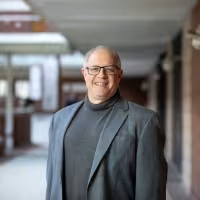
Jordan Berlin, MD
Associate Director for Clinical Science Research, VICC
Dr. Berlin is the Cornelius Abernathy Craig Professor of Medicine and the Director of the Division of Hematology and Oncology at Vanderbilt University Medical Center. He has been integral to the Gastrointestinal SPORE grant. He has specialized in treating patients with gastrointestinal cancers with a particular interest in pancreatic cancer. He has led numerous clinical trials and published many research studies. He is a part of our Gastrointestinal Cancer Research Program.
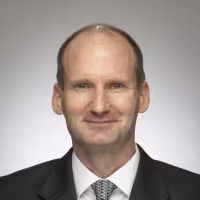
David Cortez, PhD
Associate Director for Basic Science Research, VICC
Dr. Cortez is the Hortense B. Ingram Chair in Cancer Research and Chair of Biochemistry Department at Vanderbilt University. His portfolio of research focuses on genome maintenance by DNA damage response pathways. They use multidisciplinary approaches, including genetics, biochemistry, cell biology, proteomics, and structural biology. His laboratory is part of the Genome Maintenance Research Program within Vanderbilt-Ingram Cancer Center.
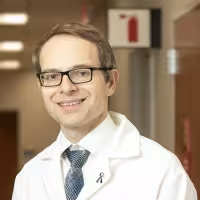
Douglas Johnson, MD, MSCI
Associate Director for Translational Research, VICC
Dr. Johnson holds the Susan and Luke Simons Directorship and is the Clinical Director for Melanoma. Dr. Johnson's research interest focuses on emerging immune and targeted therapies in melanoma and effective use of existing therapy. He is exploring ways to profile and predict which patients would best benefit from immune therapy as well as who may be at higher risk for toxicity from immune therapy. He is a part of our Tumor Immunology and Microenvironment Research Program.
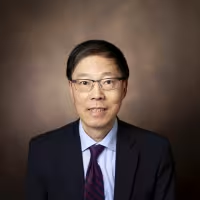
Wei Zheng, MD, PhD, MPH
Associate Director for Population Science Research, VICC
Dr. Zheng is the Anne Potter Wilson Chair in Medicine and the Director of the Vanderbilt Epidemiology center and the Director of the Division of Epidemiology. He has directed more than 40 NIH-funded studies. He is the PI or co-PI for many large prospective cohort studies at Vanderbilt that include more than 160,000 individuals. He is an elected member of the American Epidemiology society. His research focuses on nutrition and the molecular and genetic epidemiology of cancer. His laboratory is a part of the Cancer Epidemiology Research Program.
Subscribe to Our Research Newsletter (opens in a new tab)
Every Monday, receive an email newsletter of upcoming seminars and events, open funding applications, and community outreach and engagement opportunities. Additionally, receive a monthly newsletter rounding up the latest cancer related news from Vanderbilt.
Subscribe to Our Trainee Newsletter (opens in a new tab)
The monthly Lab Coats and Lanyards newsletter provides details about programs, educational events, and funding opportunities that may interest trainees at Vanderbilt Health and Vanderbilt University.
Research Programs
Vanderbilt-Ingram’s research programs bring together scientists, clinicians, and trainees around shared areas of scientific focus. These collaborative programs support discoveries that improve cancer prevention, diagnosis, treatment, and survivorship. Vanderbilt-Ingram has a longstanding history of federal, philanthropic, and foundation support for research.
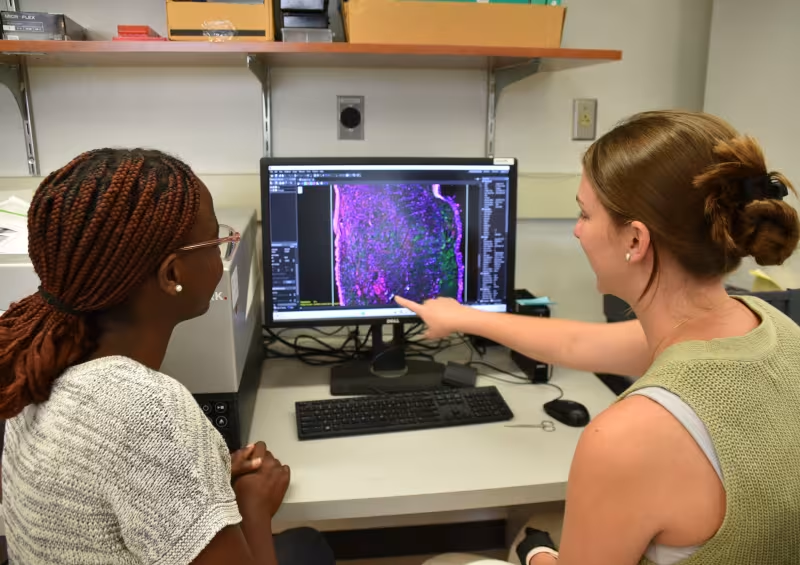
Shared Resources
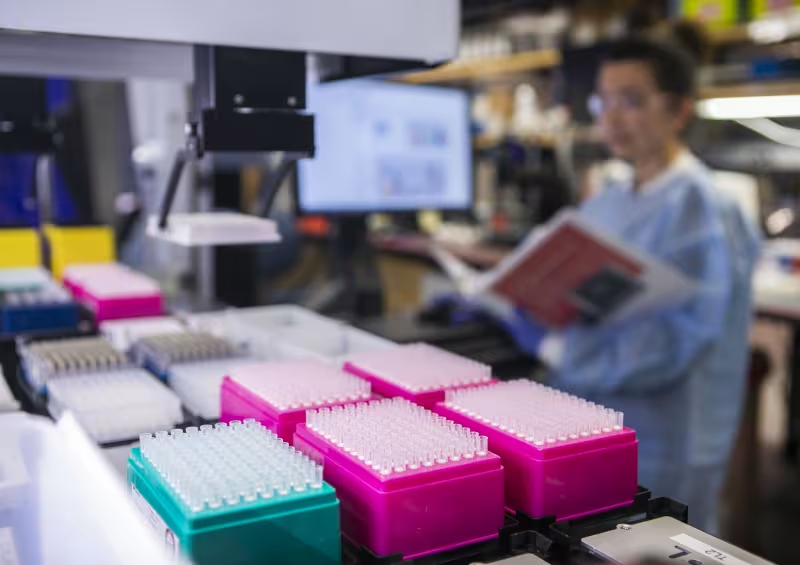
Vanderbilt-Ingram’s shared resources provide researchers from around the world with access to advanced technologies, specialized expertise, and scientific services that support innovative cancer research. These resources include core laboratories, sophisticated instrumentation, and biorepository capabilities that help accelerate discovery.
Community Engagement
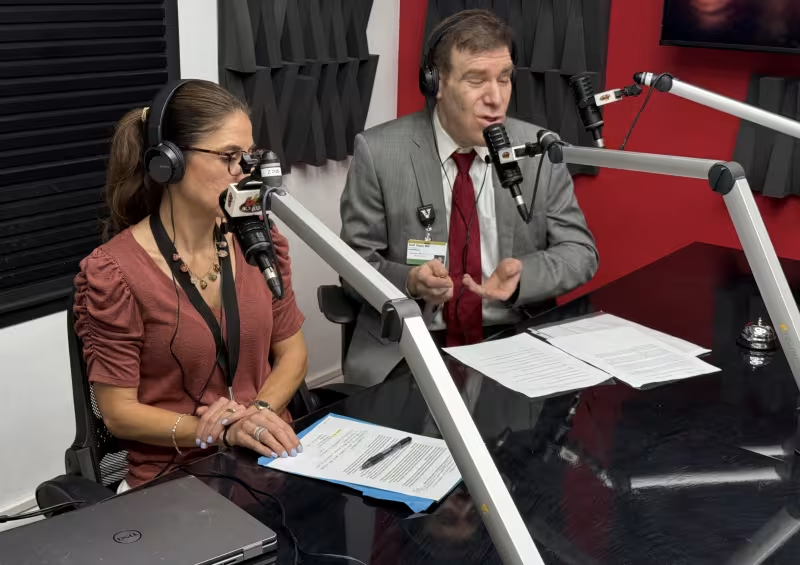
Research is strongest when it reflects the needs of the people it aims to serve. Vanderbilt-Ingram works with patients, caregivers, local and national community organizations, and across Vanderbilt Health and Vanderbilt University to help shape research priorities, improve access to clinical trials, and share discoveries that can improve health across our region.
Education and Training
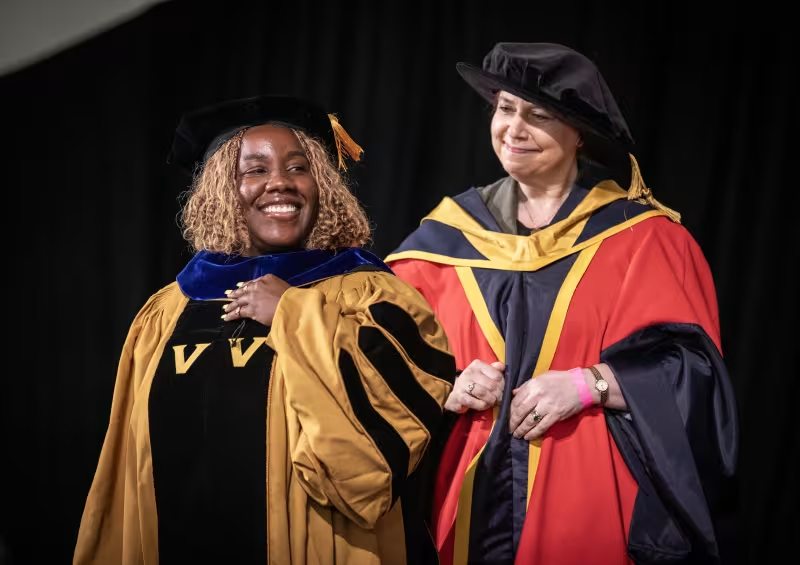
Preparing the next generation of cancer researchers and clinicians is a core part of Vanderbilt-Ingram’s mission. Through fellowships, mentoring programs, research experiences, and career development opportunities, we help learners build the skills needed to advance cancer research and care.
Advancing Discovery Together
From basic science and translational research to clinical trials and community engagement, Vanderbilt-Ingram researchers are working to improve the future of cancer prevention, diagnosis, and treatment.