
Education and Training at Vanderbilt-Ingram
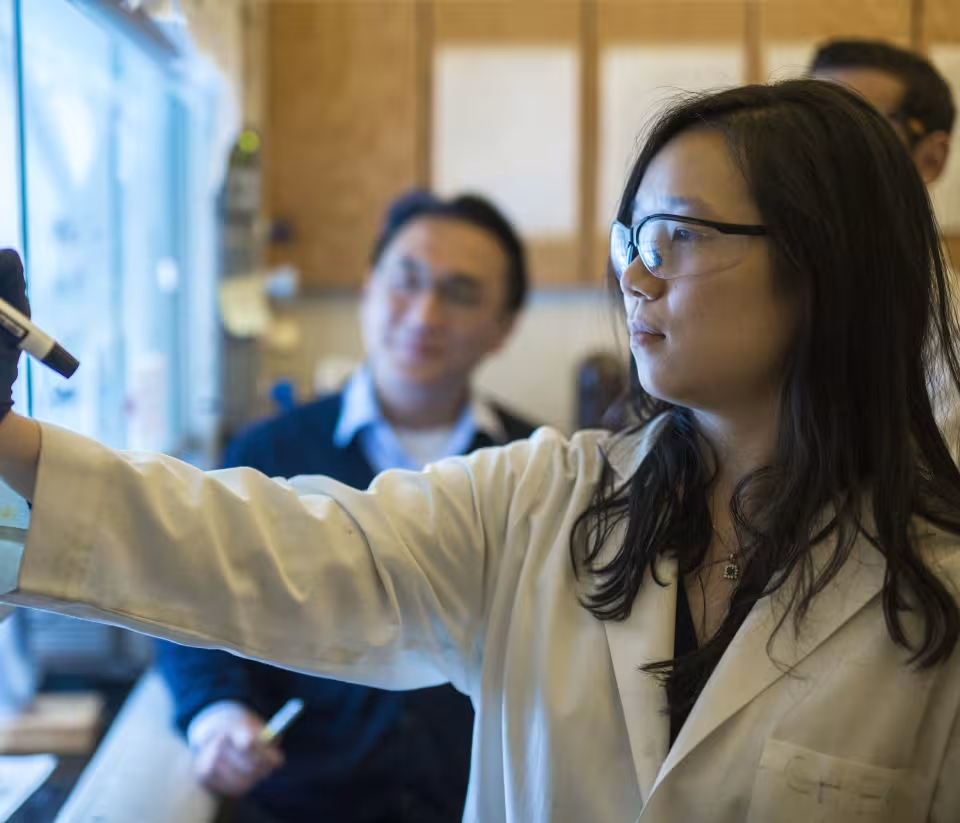
Vanderbilt-Ingram Cancer Center offers education, training, and career development opportunities for learners at every stage — from K-12 students exploring careers in science and medicine to faculty members advancing cancer research and care.
Education, Training, and Career Development
Preparing the next generation of cancer researchers, clinicians, and healthcare professionals is a core part of Vanderbilt-Ingram’s mission. Through mentorship, hands-on learning, research experiences, and career development programs, we help learners build the knowledge and skills needed to advance cancer prevention, diagnosis, treatment, and survivorship.
Our education and training programs are integrated across Vanderbilt Health and Vanderbilt University, and with the broader community, creating opportunities for learners to engage with leading researchers, clinicians, and educators while contributing to meaningful advances in cancer care. The programs are guided by the following principles:
- Coordinate cancer research training infrastructure and support
- Advance career pathways across the cancer research continuum
- Foster professional development, leadership, and advocacy
Trainee Membership
This membership is open to students, fellows, and residents with the goal of supporting each educational stage and providing exposure to research programs, funding opportunities, and cancer research leadership development resources.
Vanderbilt Observational Experience (VOE)
The VOE allows participants to shadow a Vanderbilt Health healthcare professional, or Preceptor, during their working shift. VOE participants can experience what's involved in a medical professional's workday, their patient population, and their clinical work environment.
Our Training Programs
K-12
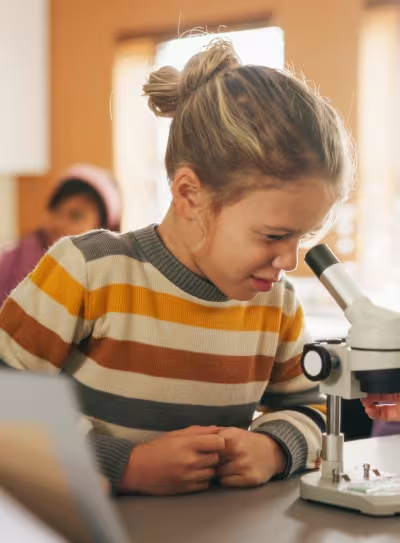
Programs such as VOICES and HERO introduce students to cancer research, healthcare careers, and community engagement through hands-on learning experiences.
Undergraduate
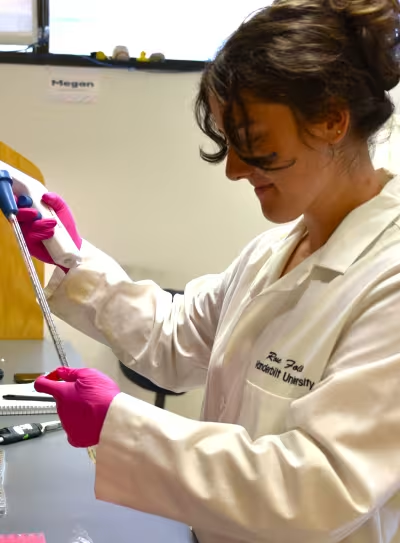
Research, outreach, and summer programs help undergraduate students explore cancer science and leadership.
Post-Baccalaureate
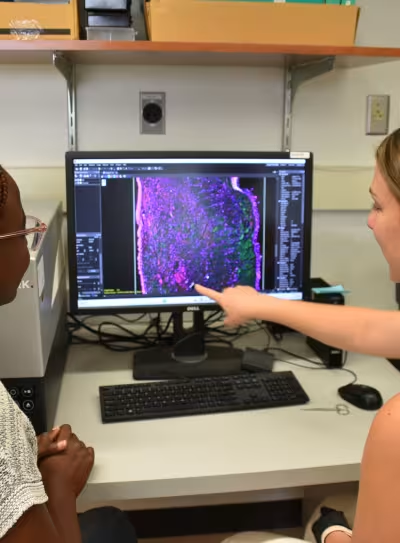
Internships and fellowship programs provide recent graduates with opportunities to gain research, clinical, and administrative experience.
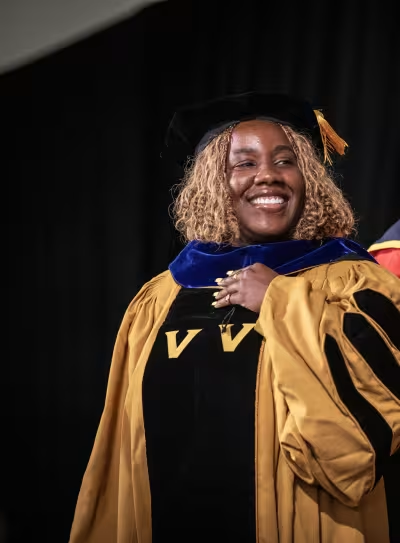
Graduate & Medical Students
Research mentorship, travel awards, and specialized oncology programs support graduate and medical students pursuing careers in cancer research and care.
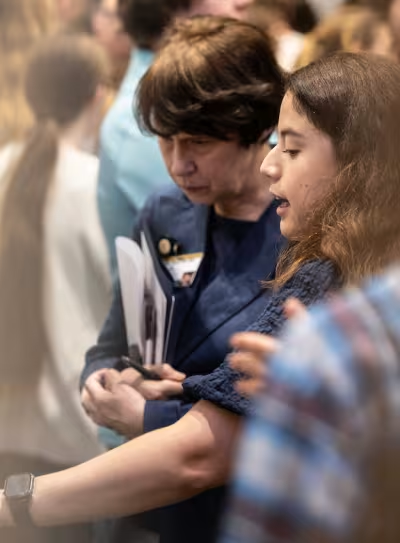
Postdoctoral
Advanced research and career development opportunities help those in the clinical and research postdoctoral stage build expertise and prepare for patient care and independent scientific careers.
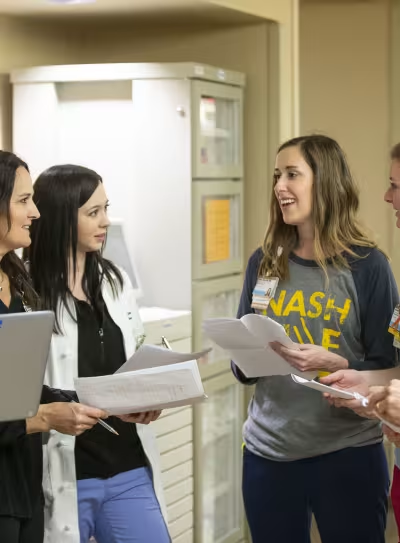
Allied Health Professionals
Allied health professionals work alongside care teams to support many functions of complex cancer care.
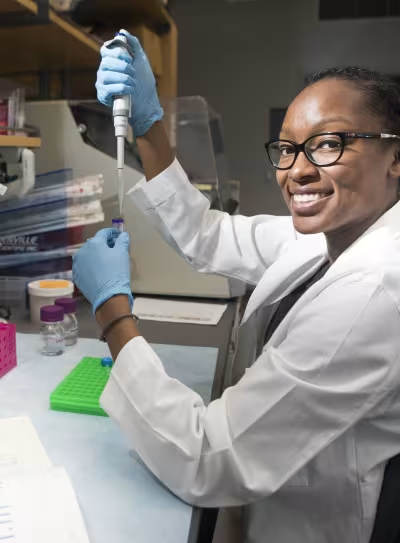
Training Grants
Vanderbilt-Ingram offers training grants that support cancer research, clinical education, and career development opportunities across multiple stages of training and professional growth.
Faculty Development
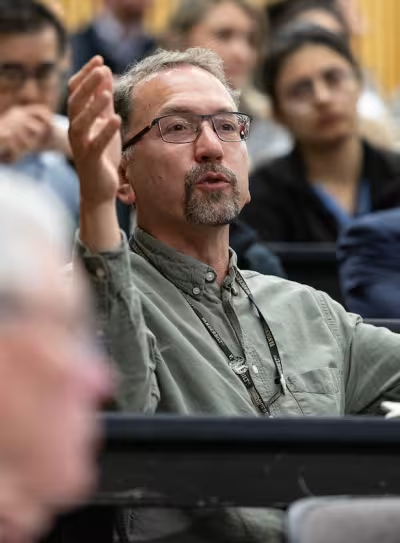
Mentoring, funding awards, and career development programs help faculty advance research, strengthen leadership skills, and pursue innovative ideas.
Annual Scientific Symposium
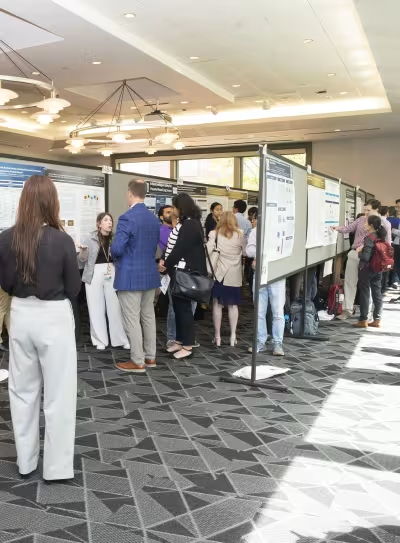
The Vanderbilt-Ingram Annual Scientific Symposium brings together researchers, faculty, students, and trainees to share discoveries, foster collaboration, and explore emerging advances in cancer research.
Office for Cancer Research Training and Education Coordination (CRTEC)
The Office for Cancer Research Training and Education Coordination (CRTEC) provides a comprehensive, multidisciplinary approach to cancer research education and workforce development. By aligning training programs, mentorship, and career pathways, CRTEC strengthens coordination and continuity in cancer research education and develops a well-prepared workforce to advance VICC’s mission across the full cancer research continuum.
Leadership
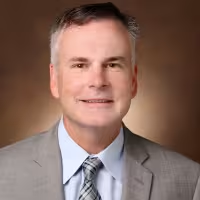
Christopher S. Williams, MD, PhD
Associate Director, Research Education, VICC
Associate Dean, Physician Scientist Education and Training
Endowed Directorship in Physician Scientist Education
Director, Medical Scientist Training Program
Professor of Medicine (Gastroenterology, Hepatology, and Nutrition)
Staff Physician, VA Health System
VICC education initiatives are led and coordinated by Dr. Williams. He and his team lead cohesive and transdisciplinary education and mentoring programs that integrate with other efforts campus-wide and include a diverse array of opportunities to ensure that a robust, cancer-focused infrastructure for education and training is maintained throughout the Vanderbilt Research community with VICC as the hub. Highlighted below are some of the ongoing initiatives that serve to promote all levels of education and leverages the robust infrastructure at Vanderbilt.
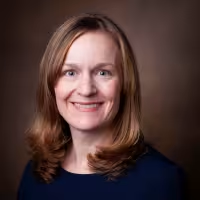
Kimberly Dahlman, PhD
Assistant Director, Research Education, VICC
Associate Professor of Medicine (Hematology/Oncology)
Co-Director, Immersion Phase, Curriculum 2.0
Dr. Dahlman oversees the portfolio of pathway programs and evaluation framework for review of all programming. She brings her expertise in biomedical education and program development to our team and is on the board of directors for the International Association of Medical Science Educators.
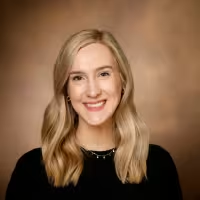
Caroline Hartford
Administrative Director, Research Education, VICC
Nature Masterclasses: On-Demand Courses
Through support from VICC, Vanderbilt University and Vanderbilt Health faculty, staff, and trainees have access to Nature Masterclasses. The bite-sized online courses are designed to explore at your own pace and cover a wide range of topics for all career stages, including interpreting scientific results, data analysis, making scientific presentations, persuasive grant writing, and more. Access courses using your VU or VUMC email address.