Living With & After Cancer
Cancer and its treatment may require additional interventions and rehabilitation. Our specialists focus not simply on one part of the body but on the whole self, helping to optimize the quality of life for patients during their care journey.
Cancer Physiatry
Cancer rehabilitation physiatry is the specialty focused on partnering with individuals who have or have had cancer to optimize their function and physical well-being. Cancer rehabilitation can be part of your care before (prehab), during, and after cancer treatment. This may involve several specialists, including physical therapy, occupational therapy, speech language pathology, and physiatry. Everyone's needs are unique, and your rehab care team will be individualized to you. The goal of cancer rehabilitation is to enhance your ability to participate in your lives at home and at work, and with your hobbies and priorities. Cancer rehabilitation can help with:
- Improving your mobility and walking
- Increasing your strength and endurance
- Facilitating your ability to perform your activities of daily living and caring for yourself (i.e. getting dressed, taking a shower, etc.)
- Decreasing pain
- Reducing fatigue
- Improving joint pain, stiffness, and range of motion
- Addressing symptoms of numbness, tingling, or weakness
- Managing swelling related to lymphedema
- Addressing long-term or late effects of radiation fibrosis syndrome
The clinic is currently located in The Vanderbilt Clinic (TVC). If you would like to be evaluated by cancer physiatry, ask your provider for a referral.
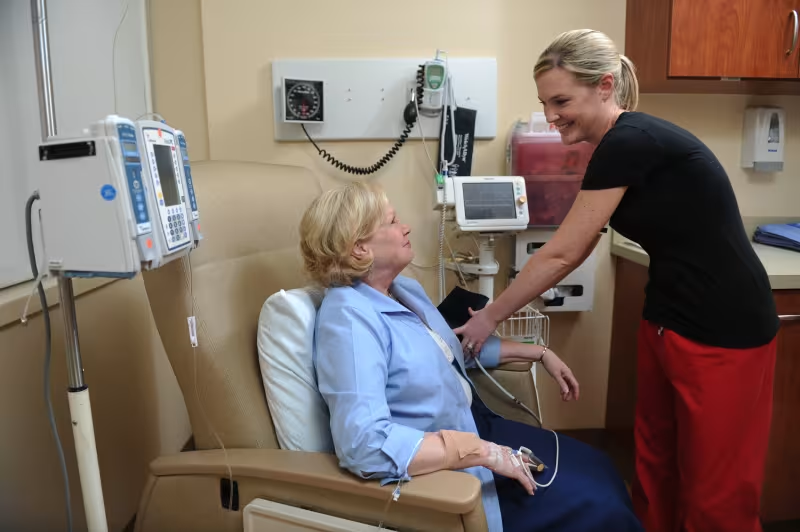
Cardio-Oncology
Some cancer treatments may have cardiac effects during and after treatment. Talk to your provider if you would like to be seen by a specialty-trained cardiologist who can monitor and treat any cardiac symptoms that arise.
Integrative Oncology
This type of care combines mind and body practices, natural products, and/or lifestyle modification in combination with conventional cancer treatment. This approach empowers patients throughout the treatment regimen as well as after-cancer therapy.
Lymphedema Therapy
The Lymphedema Therapy Clinic is staffed by highly skilled and experienced certified lymphedema therapists and offers individualized care to patients experiencing swelling, pain, skin changes, and impaired mobility related to lymphedema. Ask your provider for a referral.
Psychological Oncology
The mental and emotional distress created by a cancer diagnosis is significant. It is common for people with cancer to experience a range of emotions such as stress, anxiety, depression, and grief.
Because your emotional wellbeing is also part of cancer care, we are able to offer counseling services tailored to the unique needs of cancer patients and survivors through Vanderbilt Behavioral Health. Psychiatric medication consultation and psychotherapy (counseling) services are available to our patients throughout treatment and up to two years post-treatment.
For more information or a referral, talk to your provider or social worker.
REACH for Survivorship Programming
The Research, Education, Advocacy, Clinical Care and Health Promotion (REACH) for survivorship program assists patients in adapting to the many complex issues experienced when dealing with cancer. A cancer diagnosis has lasting effects, and we offer support through the entire continuum of care, including after treatment is over. The REACH for Survivorship Program welcomes cancer survivors of all ages and cancer types, no matter which healthcare provider they use. You can benefit from the REACH for Survivorship Program if you:
- Have ever completed cancer treatment
- Want to learn more about physical, emotional, or practical issues related to cancer and its treatment
- Are doing well but want to remain healthy
- Are experiencing difficulties and need help and support
We offer a full range of follow-up care designed to meet your physical, emotional, and practical needs. You will receive a personalized Cancer Survivorship Care Plan that will be your roadmap for future health and well-being. If you are a provider and would like to refer a patient to this program, please call (615) 936-8422.
Frequently Asked Questions
What is a Survivorship Care Plan?
This plan includes detailed information about:
- Your cancer diagnosis and treatment
- The treatment facility and oncology health care providers
- Potential long-term physical and emotional problems
- Potential risks of treatment and screening guidelines
- Recommendations to prevent chronic illness, cancer recurrence, or new cancers
We will review this plan with you, and we will send copies to your oncologist, primary care physician, and other appropriate healthcare providers.
What services does the survivorship clinic offer?
- Thorough review of your medical record and a personalized survivor survey you will complete before your visit
- Comprehensive health history and examination
- Development of an individualized Survivor Care Plan, a roadmap for your future health and well-being
- Survivor Handbook information on physical, emotional, and daily living issues specific to cancer survivors
- Assistance with social, emotional, and financial issues
- Coordination between oncology and primary care services
- Referrals to psychology, genetics, physical and occupational therapy, nutrition, social work, vocational and rehabilitation therapy, and other specialists
- Navigation to national, community, and online resources
- Educational classes and events
- Access to state-of-the-art research designed to prevent or manage adverse long-term effects of cancer and its treatment.
What does a first visit involve?
Your first survivorship clinic will take about an hour to allow plenty of time for discussion. Our team will do their best to coordinate any imaging or lab evaluations for the same day. Please allow time to complete all scheduled testing. In addition to the evaluations our team provides, we can arrange evaluations in other specialty clinics as needed following your visit.
We will develop a "Survivorship Care Plan" for you that includes a medical evaluation, educational and support resources, and health recommendations specific to your needs and goals.
Following your appointment, our team will prepare a letter summarizing your clinic visit, including any recommendations.
Will my insurance cover these services?
While you should always consult your insurance plan if you have questions about coverage, insurance carriers typically cover the clinic visit as well as most associated medically required tests or specialty visits.
Insurance coverage varies for such services as nutrition counseling, psychological counseling, and physical or occupational therapy. Our office staff will assess the team's recommendations and your insurance coverage prior to your visit; we will discuss any potential out-of-pocket costs with you ahead of time.
Do I need a referral from my physician?
Your primary care physician or oncologist may refer you to the REACH program, or you may initiate a visit yourself. If you would like to contact either location, use the information below or email cancersurvivor@vumc.org.
Locations
Children and young adults (under 21)
Village at Vanderbilt
1500 21st Ave. South
Suite 2500
Nashville, TN 37212
(615) 343-7400
Adults, including survivors of pediatric cancers (21+)
Vanderbilt Health Belle Meade
6002 Highway 100
Nashville, TN 37205
(615) 936-8422
Supportive and Palliative Oncology
Supportive and Palliative Oncology at the Vanderbilt-Ingram Cancer Center provides evidence-based compassionate, holistic, and patient-centered care to patients and loved ones who are facing cancer diagnoses. Cancer diagnosis and management can be debilitating on its own, and often brings along physical, mental, and spiritual pain and suffering. Our team provides pain and symptom management for medically complex patients as well as psychosocial support for patients and their families. The clinic also provides clarification of medical options and care decisions and advance care planning.
This service is located on the first floor of The Vanderbilt Clinic. Patients who receive cancer treatment at Vanderbilt may self-refer by calling (615) 936-8422 or request a referral from their oncology team.
Additional Cancer Community Resources
The Vanderbilt-Ingram Cancer Center collaborated with its Community Advisory Board (CAB) to develop a curated repository of cancer-related resources. It addresses needs across the full spectrum of cancer care—from screening to survivorship.
- ABC (After Breast Cancer) (opens in a new tab)
- Austin Hatcher Foundation (opens in a new tab)
- BRA (Breast cancer Recovery in Action) (opens in a new tab)
- Cancer Nation (formerly National Coalition for Cancer Survivorship) (opens in a new tab)
- Gilda's Club of Middle TN (opens in a new tab)
- Sherry's Hope (opens in a new tab)
- Survivor Fitness Foundation (opens in a new tab)
- Triage Cancer (opens in a new tab)