
Cold Cap Therapy
Therapy to help reduce hair loss for patients receiving certain chemotherapy treatments.
Overview
Vanderbilt-Ingram Cancer Center offers cold cap therapy, also known as scalp cooling, to help reduce hair loss for patients receiving certain chemotherapy treatments.
Scalp cooling is available for eligible patients with solid tumors, including breast, prostate, ovarian, uterine, and lung cancers. The system consists of a tight fitting silicone cap connected to a cooling and control unit, as well as an insulating outer cap. The system is more efficient and comfortable than portable options for scalp cooling that patients can bring with them to infusion visits.
Currently, cold cap therapy is only available at our Vanderbilt-Ingram Cancer Center Belle Meade location.

Request an Appointment
We can assist you with scheduling a consultation with a specialist for your specific needs.
Frequently Asked Questions
What is scalp cooling?
Scalp cooling, also known as cold cap therapy, is a treatment designed to reduce chemotherapy-related hair loss. By cooling the scalp before, during, and after chemotherapy, the system constricts blood vessels and decreases the amount of chemotherapy that reaches the hair follicles. While some hair thinning may still occur, scalp cooling can help many patients retain more of their hair and may support faster hair regrowth after treatment ends.
If you are interested in scalp cooling, please speak with your provider to determine whether you are a candidate for treatment. Patients are also encouraged to contact their insurance provider to learn whether scalp cooling is covered under their plan.
How does scalp cooling mitigate hair loss during chemotherapy?
Scalp cooling prevents chemotherapy-induced alopecia in two ways. First, it reduces the blood flow to the scalp, by cooling the scalp it causes the blood vessels to constrict, which reduces how much medication reaches the follicles. Secondly, when our scalp temperature is low our metabolism is reduced, which causes the follicles to absorb less of the chemotherapy. The key to keeping as much hair as possible is to keep the scalp cold for an extended period of time. Each chemotherapy has a set post- cool time; in which chemotherapy is completed, but the scalp cooling continues.
Which patients are getting scalp cooling?
FDA-approval has been made for solid tumors, many of our patients are breast cancer patients. However, this treatment works for both women and men.
How long does the procedure take?
The time it takes for the procedure is dependent on the patients chemotherapy plans. After therapy cooling time usually ranges from 90-120 minutes of additional time.
Is it painful or uncomfortable?
While scalp cooling may be uncomfortable, it is not normally painful. The initial 15 minutes during which the scalp is cooling and reaching the peak temperatures can be the most challenging. However, once the scalp is numb, patients relax in our heated recliners with warm blankets and often find themselves drifting off to sleep.
How many patients have received this therapy?
To date hundreds of patients have successfully had scalp cooling and our patients have been extremely happy with the results.
Is there a certain group of patients that respond better than others to the scalp cooling?
We haven't noticed a significant correlation between age, ethnicity, or hair length. The effectiveness of scalp-cooling. However, the condition of the hair at the beginning of treatment plays crucial roles in retaining the hair. Patients with regular color or bleached hair may not respond as effectively to the treatment, as compared to those who don't. This should not discourage any patient from trying this procedure during their treatment; however, we want all patients to make informed decisions about what is best for themselves.

Cancer
New treatment helps mitigate hair loss for chemotherapy patients
Vanderbilt-Ingram Cancer Center has started offering scalp cooling, which mitigates hair loss for patients receiving certain chemotherapy regimens.
CROWN Wig Program
If cold cap therapy isn't right for you, we also offer the CROWN Wig Program to help support patients that experience hair loss.
Care That’s Centered Around You
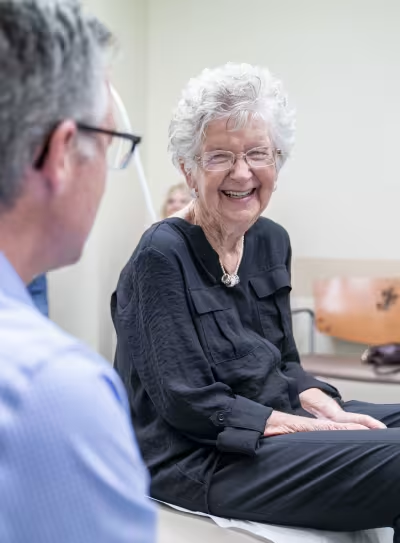
Patient & Family Resources
Access support programs, educational resources, and services designed to help patients and caregivers navigate cancer care.
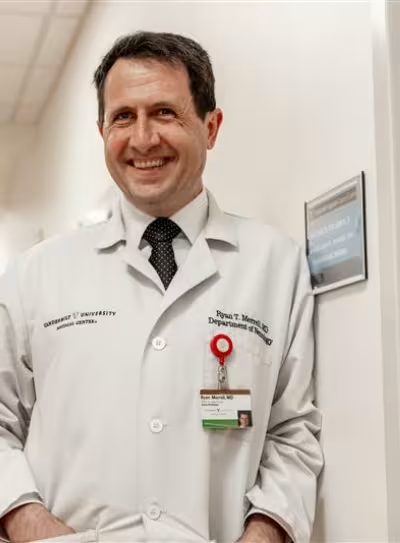
Your Care With Us
Learn what to expect before, during, and after treatment, including appointments, support services and survivorship resources.

Living With & After Cancer
Treating cancer can require additional interventions and rehab. Our specialists care for your whole self, not simply one part of the body.