
Histotripsy
Histotripsy is a non-invasive treatment that uses focused ultrasound waves to destroy tumors without surgery. This innovative approach offers patients a precise treatment option with shorter recovery times and minimal impact on surrounding healthy tissue.
Cutting-Edge Technology Provides Options for Patients
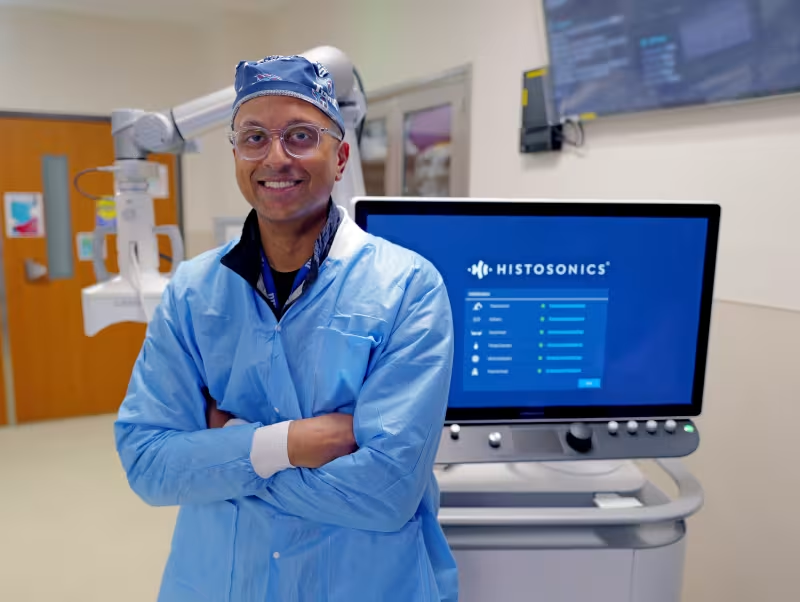
Histotripsy is an innovative, non-invasive treatment that uses focused ultrasound energy to destroy liver tumors without surgery, needles, or incisions. This FDA-approved technology creates targeted sound waves that break down tumor tissue while minimizing damage to surrounding healthy tissue.
At Vanderbilt-Ingram Cancer Center, histotripsy offers eligible patients an additional treatment option for tumors that originate in the liver or have spread to the liver from another part of the body. Because the procedure is non-invasive, many patients experience shorter recovery times and may be able to return home the same day.
Researchers continue to study histotripsy for other cancer types through ongoing clinical trials, expanding the potential of this promising technology.

Request an Appointment
We can assist you with scheduling a consultation with a specialist for your specific needs.
Benefits of Histotripsy
Histotripsy offers patients a less invasive treatment experience with precise tumor targeting, minimal impact on healthy tissue, and reduced recovery time.
Incision-Free Treatment
Because histotripsy requires no incisions or needles, patients can avoid many of the risks and discomforts associated with traditional surgical procedures.
Protects Healthy Tissue
Histotripsy precisely targets tumors while minimizing damage to surrounding healthy tissue, helping preserve normal organ function and reducing treatment-related side effects.
Quicker Recovery
With its non-invasive approach, histotripsy can reduce hospital stays and recovery time, allowing many patients to return home the same day and resume daily activities sooner.
Histotripsy Frequently Asked Questions
Who may be a candidate for histotripsy?
Histotripsy may be an option for patients whose cancer started in the liver or has spread to the liver from another part of the body. Your care team will review your medical history, imaging studies, and treatment goals to determine whether histotripsy is right for you.
How does histotripsy work?
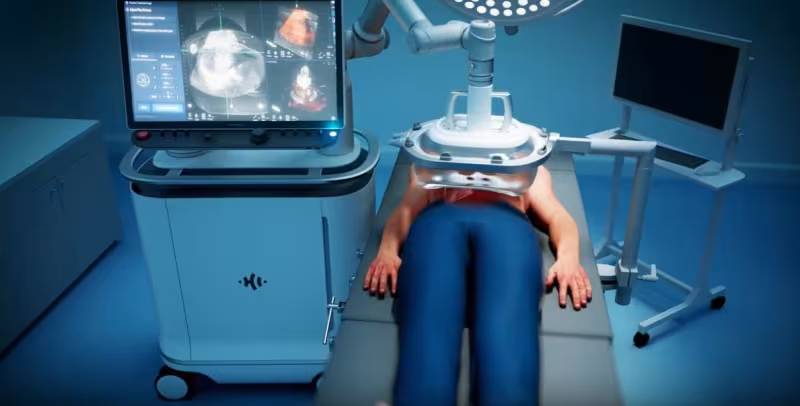
Histotripsy uses focused ultrasound waves to create microscopic bubbles within the targeted tumor. As these bubbles rapidly form and collapse, they break down tumor tissue without the need for surgery. Over time, the body naturally absorbs and removes the treated tissue.
During the procedure, specialists use real-time imaging to precisely target the tumor. Patients receive anesthesia to help ensure comfort and minimize movement during treatment.
What should I expect during the procedure?
Patients receive anesthesia during the procedure. Using real-time imaging, specialists carefully target the tumor with focused ultrasound energy. The procedure is performed without surgical incisions.
Will I need additional cancer treatment after histotripsy?
Some patients may require additional treatments such as surgery, radiation therapy, chemotherapy, immunotherapy, or other liver-directed therapies. Your care team will develop a treatment plan tailored to your needs.
Cancer
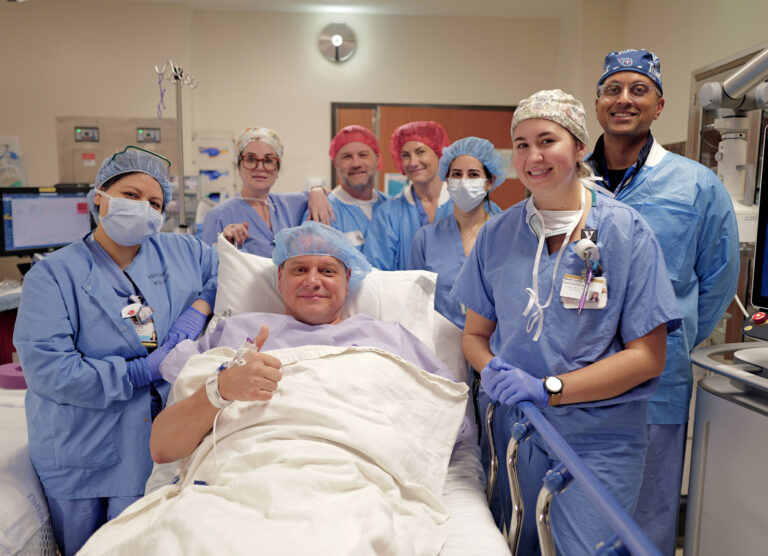
Vanderbilt Health celebrates milestone for novel histotripsy procedure
Appealing to patients for its noninvasive nature, it avoids many of the traditional drawbacks of surgeries that use incisions, including pain management.
Care That’s Centered Around You
Patient & Family Resources
Access support programs, educational resources, and services designed to help patients and caregivers navigate cancer care.
Your Care With Us
Learn what to expect before, during, and after treatment, including appointments, support services and survivorship resources.

Living With & After Cancer
Treating cancer can require additional interventions and rehab. Our specialists care for your whole self, not simply one part of the body.
We’re Here to Help
Whether you're newly diagnosed, seeking a second opinion, or exploring treatment options, our team is ready to connect you with the care and resources you need.