

Cancer Epidemiology Research Program
The Vanderbilt-Ingram Cancer Center Cancer Epidemiology Research Program improves the understanding of cancer etiology and identifies biomarkers for cancer risk and prognosis, with the goal of informing advancement and development of effective cancer prevention strategies.
Understanding the Burden of Cancer for All People
The Cancer Epidemiology Research Program aims to improve our understanding of the genetic and environmental origins of cancer and to identify biomarkers for cancer risk and progression. This understanding informs the design of effective cancer prevention and control programs. The Cancer Epidemiology Research Program utilizes large cohort studies that contain biospecimens and exposure data for more than 250,000 participants.
Research Themes
The Cancer Epidemiology Research Program is grounded in identifying molecular, genetic, and multiomics biomarkers that influence cancer risk and prognosis.
Nutrition, Lifestyle, & Environmental Epidemiology
Evaluating the impact of dietary, lifestyle, and environmental factors on cancer risk, prognosis and survivorship.
Investigate the Biological, Behavioral, Social, Environmental and Structural Determinants of Cancer Risk
Evaluating cancer risk, mortality, and survivorship across populations within the US and globally
Advance Epidemiologic Research Methods and Data Sciences
Developing and improve novel epidemiologic, statistical, and computational methods to integrate large-scale population, clinical and multi-omics data for cancer research.
Advance Epidemiologic Research Methods
Developing the next generation of approaches and tools to investigate large datasets for clues to disease
Meet the Program Members
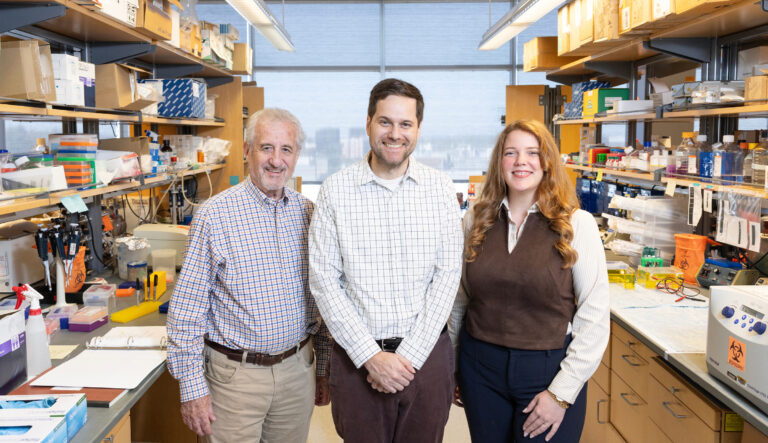
The Cancer Epidemiology Research Program is made up of around 30 members and is co-led by Xiao Ou Shu, MD, PhD, MPH, and Martha J. Shrubsole, PhD. The co-leaders serve as liaisons to the director and senior leadership for the fostering of inter-programmatic collaboration and integration of cancer epidemiology into the clinical and basic research activities of the cancer center, including the provision of epidemiologic resources and access to large study populations for whom the translation of scientific discoveries into practice is important.

Xiao-Ou Shu
Co-Leader, Cancer Epidemiology Research Program

Martha Shrubsole
Co-Leader, Cancer Epidemiology Research Program, VICC
Featured News

Genetics & Genomics
Rare variants in folate receptor gene linked to ADHD and infections in pregnancy
A new study suggests that macrophages and folate receptors may influence brain development and pregnancy health, and they point to a gene worth studying further.
Vanderbilt Health-led team maps gene variants that can cause sudden death
The research may enable more precise diagnosis and treatment of a disorder that causes sudden death in about 3,500 people in the United States each year.

Mental Health
Study advances understanding of SSRI use during pregnancy
“One of the takeaways (of this study) was that if you need to be on an SSRI, stay on it, but make sure to deliver in a place that can take care of the baby,” said Jennifer Sucre,…
A Selection of Recent Publications from our Cancer Epidemiology Members
JAMA Dermatology
Nicotinamide for Skin Cancer Chemoprevention
Carcinogenesis
Urinary metabolites in association with kidney cancer risk
Cancer Medicine
A Transcriptome-Wide Association Study Identifies Candidate Susceptibility Loci and Genes for Lung Cancer Risk
JAMA Oncology
Clonal Hematopoiesis and Cardiovascular Disease Risk After Cancer Therapy in Patients With Solid Tumors
The Journal of Nutrition
The Association of Gut Microbiota With TRPM7 Genotype, Colorectal Polyps, and Magnesium
American Journal of Clinical Nutrition
Magnesium treatment increases gut microbiome synthesizing vitamin D and inhibiting colorectal cancer: results from a double-blind precision-based randomized placebo-controlled trial
Nature Communications
Fine-mapping analysis including over 254,000 East Asian and European descendants identifies 136 putative colorectal cancer susceptibility genes
Nature Genetics
Genome-wide association analyses of breast cancer in women of African ancestry identify new susceptibility loci and improve risk prediction
Nature Genetics
Refining breast cancer genetic risk and biology through multi-ancestry fine-mapping analyses of 192 risk regions
Journal of the National Cancer Institute
Novel insights into genetic susceptibility for colorectal cancer from transcriptome-wide association and functional investigation
Nature Communications
Using genome and transcriptome data from African-ancestry female participants to identify putative breast cancer susceptibility genes
International Journal of Cancer
Circulating microRNAs in association with pancreatic cancer risk within 5 years
Nature Communications
Determinants of mosaic chromosomal alteration fitness
Become a Research Member
Innovation and discovery are driven by collaboration. Becoming a member of Vanderbilt-Ingram Cancer Center extends your participation and opportunities to engage with peers to investigate the questions around how to best prevent, diagnose, treat, and manage cancer.