
Gastrointestinal Cancer Research Program
Gastrointestinal cancers collectively cause more deaths each year than malignancies arising from any other organ system. The goal of this research program is to integrate complementary strengths across the spectrum of GI cancer research from etiology, pathogenesis, prevention, and treatment of advanced disease with a goal of lowering the burden of gastrointestinal cancers.
Striving to Eliminate Gastrointestinal Cancer
Gastrointestinal (GI) cancers remain some of the most difficult to treat, with five-year survival rates below 50% for most GI cancer types. The Gastrointestinal Cancer Research Program aims to better understand what drives these cancers with the goal of identifying and applying better treatment strategies. Our research efforts span the entire spectrum—from in-depth basic research to investigator-initiated clinical trials—across all GI cancer types, including colorectal, gastroesophageal, and pancreatic, hepatobiliary, anal, neuroendocrine, and rare GI tumors.
Research Themes
The Gastrointestinal Cancer Program supports basic, translational, and clinical research across all GI cancer types.
Causes of GI Cancers
Determining the etiology and pathogenesis of gastrointestinal cancers
Diagnosis & Prediction
Developing biomarkers and imaging techniques to improve detection and predict efficacy of current and novel therapeutics for gastrointestinal cancers
Models of GI Cancer
Developing and studying novel laboratory models of cancer to improve understanding of human cancers
Translation Into Treatment
Translating laboratory discoveries into clinical investigations
Meet the Program Members
Kristen Ciombor, MD, and Rick Peek, MD, co-lead the GI Cancer Research Program. The program has more than 40 members conducting clinical and translational research on a range of gastrointestinal cancers, with particular focus on colorectal, gastroesophageal, and pancreas cancers.

Kristen Ciombor
Co-Leader, Gastrointestinal Cancer Research Program, VICC
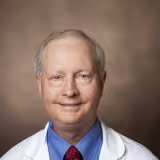
Richard Peek Jr.
Co-Leader, Gastrointestinal Cancer Research Program, VICC
Featured News

Training Tomorrow's Leaders
Yash Choksi named Associate Director of the Physician-Scientist Training Program
Physician-scientist training at Vanderbilt Health couples internal medicine residency and clinical fellowship training with training in basic or clinical research.
Infectious Diseases
American Society for Microbiology honors Vanderbilt Health investigators
The ASM awards highlight the ‘strength and breadth’ of microbiology research at Vanderbilt Health — from advancing clinical diagnostics to uncovering fundamental mechanisms in the…
Infectious Diseases
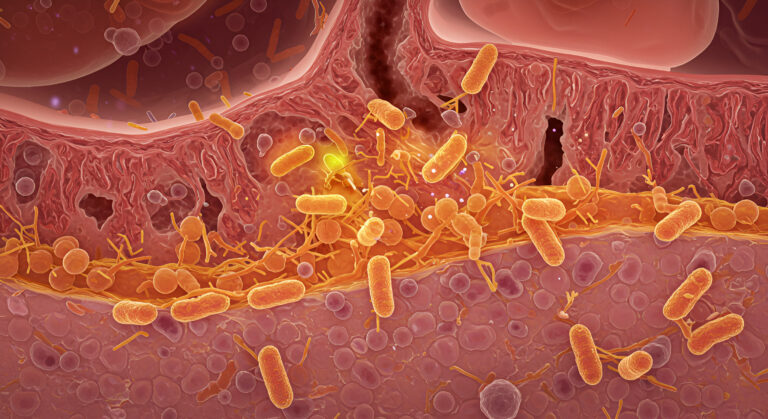
C. diff coordinates threat response to survive in gut
It’s critical to understand how C. diff adapts to environmental stressors in the gut in order to identify novel antimicrobial targets.
A Selection of Recent Publications from our Gastrointestinal Cancer Members
Journal of Clinical Investigation
SELENOP modifies sporadic colorectal carcinogenesis and WNT signaling activity through LRP5/6 interactions
Gastroenterology
Apposition of Fibroblasts With Metaplastic Gastric Cells Promotes Dysplastic Transition
Cell Reports
A comprehensive analysis of supermere, exomere, and extracellular vesicle isolation and cargo in colorectal cancer
Cell Host & Microbe
An early-life microbiota metabolite protects against obesity by regulating intestinal lipid metabolism
Nature Communications
The TRIP12 E3 ligase induces SWI/SNF component BRG1-β-catenin interaction to promote Wnt signaling
Cell Host & Microbe
Iron acquisition by a commensal bacterium modifies host nutritional immunity during Salmonella infection
Gastroenterology
Targeting Stem Cells and Dysplastic Features With Dual MEK/ERK and STAT3 Suppression in Gastric Carcinogenesis
JAMA Network Open
Patient-Reported Discussions on Fertility Preservation Before Early-Onset Cancer Treatment
Nature Cell Biology
Blebbisomes are large, organelle-rich extracellular vesicles with cell-like properties
Become a Research Member
Innovation and discovery are driven by collaboration. Becoming a member of Vanderbilt-Ingram Cancer Center extends your participation and opportunities to engage with peers to investigate the questions around how to best prevent, diagnose, treat, and manage cancer.