
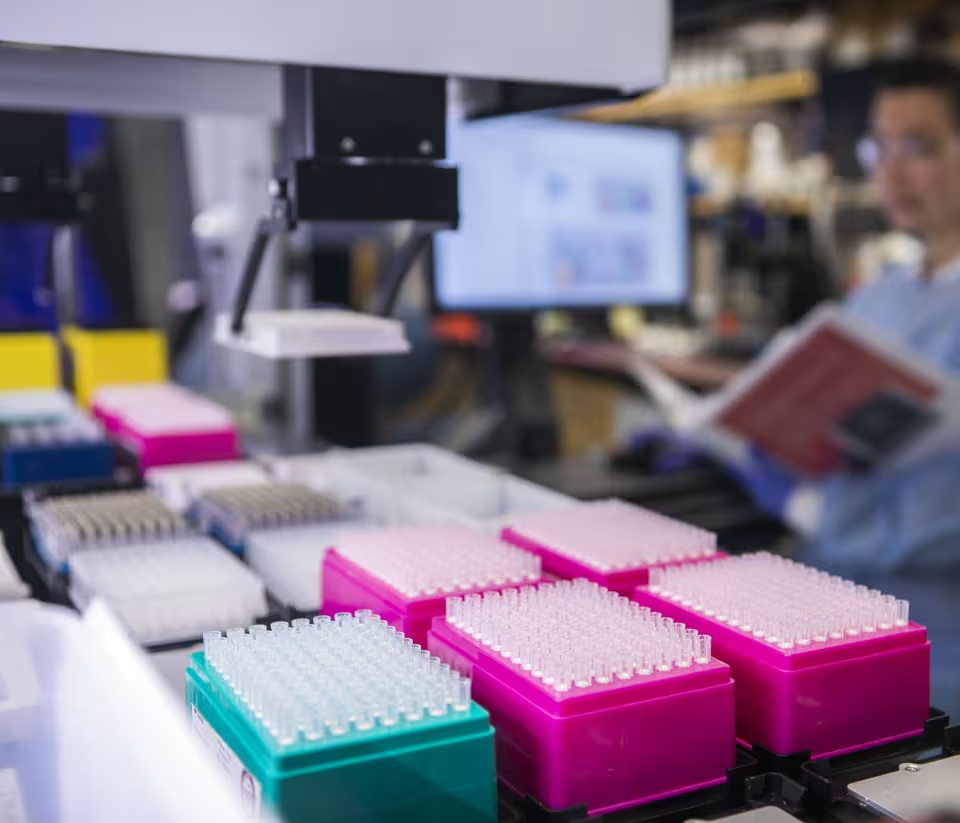
Genome Maintenance Research Program
Defects in genome maintenance underlie the etiology of all cancers. Without exception, corruption to the mechanisms that cells use to replicate, repair, package, and express their genomes and epigenomes must occur for cancers to initiate and progress.
Studying Corruption of Genome Maintenance Mechanisms in Cancer
Changes to the genome are at the epicenter of cancer mechanisms and response to therapies. The Genome Maintenance Research Program is a cohesive network of basic science researchers focused on understanding how DNA is damaged, repaired, packaged, expressed, and replicated.
Research Themes
Members of the Genome Maintenance Program have expertise across all of the major processes involved in the faithful maintenance and expression of the genetic material.
DNA Damage
How environmental agents and the products of natural cellular metabolism cause mutations and lead to cancer.
Replication and Repair
How errors in replication and DNA proofreading mechanisms lead to tumor formation and how that can be targeted for future therapies
Packaging and Expression
How the wrapping of genetic material around histones changes in cancer to either express cancer-promoting genes or turns off cancer protective genes
Translational Science
How bench discoveries in genome maintenance control of cancer can best be exploited to provide treatment for or prevention strategies of cancer
Meet the Program Members
Co-led by William Tansey, PhD, and Douglas Kojetin, PhD, the Genome Maintenance program includes around 30 faculty members across eight departments and centers across Vanderbilt Health and Vanderbilt University. Research interests of our members are broad and encompassing — from control of DNA replication and mitosis to mechanisms of DNA damage, DNA damage response and repair, chromatin, epigenetics, and the regulation of gene activity. This vibrant group of researchers harbors expertise in biochemistry, cell biology, genetics, genomics, model organisms, proteomics, and structural biology. Their specific research strengths, together with a common focus on the genome, create a highly synergistic environment where both formal and informal collaborations thrive and bolster our research accomplishments and impact.

William Tansey
Co-Leader, Genome Maintenance Research Program
Douglas Kojetin
Co-Leader, Genome Maintenance Research Program, VICC
Featured News
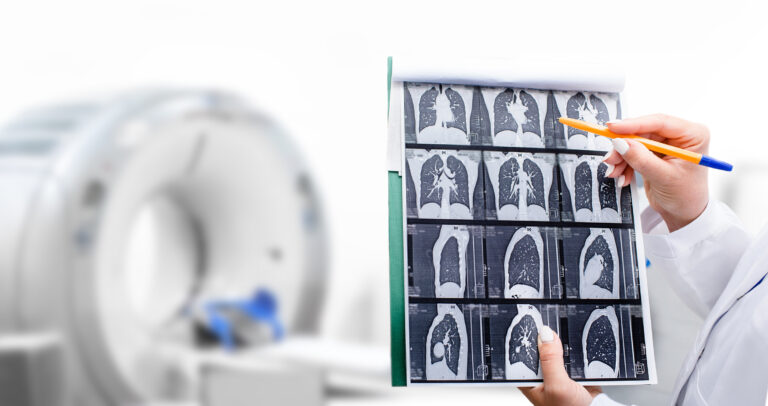
Cancer
Vanderbilt-Ingram Cancer Center convenes dual retreats to drive lung cancer care and research forward
The retreats will reflect on progress, strengthen collaborations across disciplines and identify opportunities to further improve care for patients with lung cancer.
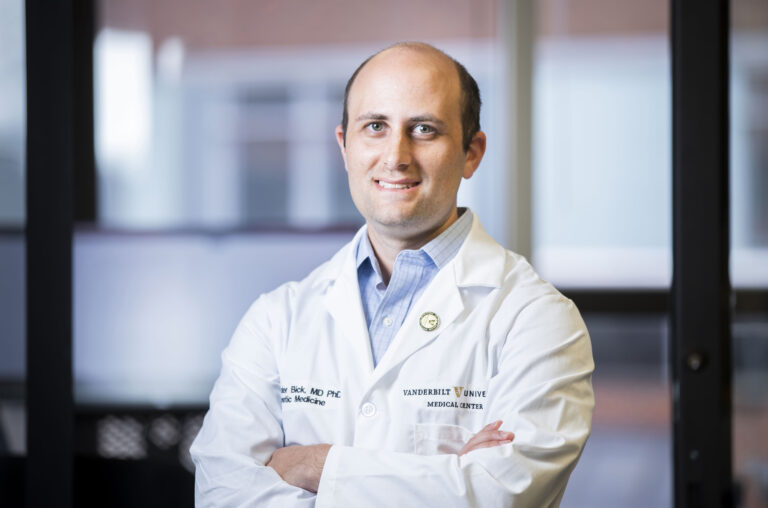
Genetics & Genomics
Alexander Bick to lead cutting-edge resource for genomic discovery at Vanderbilt Health
Vanderbilt Technologies for Advanced Genomics is a one-stop genomics research resource that offers sample biobanking, genome sequencing, single-cell and spatial multiomic…
Cancer
Vanderbilt-Ingram Cancer Center names co-leaders for Thoracic Oncology Program
Together, the co-leaders bring complementary expertise aimed at delivering the most innovative and advanced options for patients at all stages of lung and other thoracic cancers.
A Selection of Recent Publications from our Genome Maintenance Members
Nucleic Acids Research
Leading and lagging strand abasic sites differentially affect vertebrate replisome progression but involve analogous bypass mechanisms
Nature Communications
Structural basis for fork reversal and RAD51 regulation by the SCF ubiquitin ligase complex of F-box helicase 1
Biochemistry
DNA Replication across α-l-(3'-2')-Threofuranosyl Nucleotides Mediated by Human DNA Polymerase η
Nature Communications
Long-term longitudinal analysis of 4,187 participants reveals insights into determinants of clonal hematopoiesis
Cell Genomics
Human gene regulatory evolution is driven by the divergence of regulatory element function in both cis and trans
Nature Communications
Topological stress regulates replication fork dynamics in unperturbed S phase
Cell Reports
Enhancer-promoter activation by the Kaposi sarcoma-associated herpesvirus episome maintenance protein LANA
Journal of Clinical Investigation
Inverted chimeric RNAi molecules synergistically cotarget MYC and KRAS in KRAS-driven cancers
Journal of Biological Chemistry
The peroxidation-derived DNA adduct, 6-oxo-M1dG, is a strong block to replication by human DNA polymerase η
Become a Research Member
Innovation and discovery are driven by collaboration. Becoming a member of Vanderbilt-Ingram Cancer Center extends your participation and opportunities to engage with peers to investigate the questions around how to best prevent, diagnose, treat, and manage cancer.