
Tumor Immunology and Microenvironment Research Program
Uniting the work of basic scientists, engineers, computational biologists, and clinical scientists, this research program aims to develop and implement new immune-based therapies, diagnostic tests, and clinical practices for cancer prevention, detection, and treatment.
Innovating the Future of Cancer Prevention and Care
The Tumor Immunology and Microenvironment Research Program seeks to advance the next generation of cancer immunotherapies by uncovering the mechanisms that drive tumor-immune interactions and translating those discoveries into safer and more effective treatments. To accomplish this goal, this multidisciplinary team of scientists, physicians, engineers, and computational researchers must work together to investigate the complex relationship between cancer cells, the tumor microenvironment, and the immune system.
Research Themes
The Tumor Immunology and Microenvironment Research Program has expertise in and leads clinical trials related to:
Understanding Cancer-Immune Interactions:
- Immune system evasion
- Exploitation of surrounding microenvironment
- Growth and metastasis around immune system and microenvironment
Developing Innovative Therapies:
- Leverage biomedical engineering, imaging, and computational biology
- Design and evaluate new therapies and diagnostics
Improving Immunotherapy Outcomes
- Identify strategies to enhance patient responses
- Evaluate and discover reductions to treatment-related toxicity and adverse side effects
Meet the Program Members
The Tumor Immunology and Microenvironment Research Program includes members from multiple basic science, population research, and clinical departments across Vanderbilt University and Vanderbilt Health. John T. Wilson, PhD, Brian Rini, MD, and R. Taylor Ripley, MD, are co-leaders of the program.

Brian Rini
Co-Leader, Tumor Immunology and Microenvironment Research Program, VICC
John T. Wilson
Co-Leader, Tumor Immunology and Microenvironment Research Program, VICC
R. Taylor Ripley
Co-Leader, Tumor Immunology and Microenvironment Research Program, VICC
Featured News
Cancer
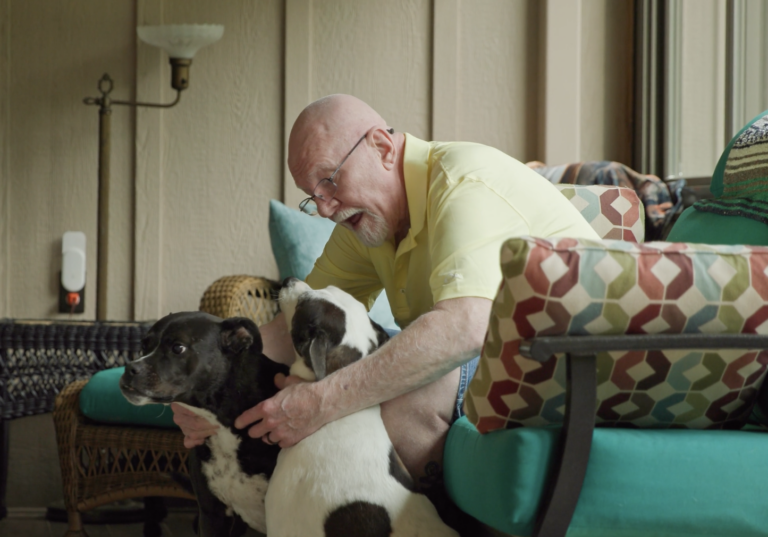
More time with the people he loves: A veteran tells his TIL therapy story, a first at Vanderbilt-Ingram Cancer Center
Senior Chief Petty Officer Ed Stift, U.S. Navy (retired), was the first patient to receive tumor-infiltrating lymphocyte (TIL) therapy at Vanderbilt-Ingram Cancer Center. Watch…
Imaging
Cytoskeletal protein key to normal kidney development
Study shows that a cytoskeletal protein, alpha-parvin, regulates branching of the ureteric bud, which elongates to form the ureter connecting the kidneys to the bladder.

Research study aims to clarify alpha-gal syndrome diagnosis and treatment
Alpha-gal syndrome is an allergic condition associated with tick bites that can trigger severe reactions to a sugar molecule called galactose-alpha-1,3-galactose, or alpha-gal,…
A Selection of Recent Publications from our Tumor Immunology and Microenvironment Members
Journal of Clinical Investigation
LAIR-1 agonism as a therapy for acute myeloid leukemia
Nature Medicine
Ipilimumab with or without nivolumab in PD-1 or PD-L1 blockade refractory metastatic melanoma: a randomized phase 2 trial
Journal of Clinical Investigation
PD-1H/VISTA mediates immune evasion in acute myeloid leukemia
Nature Immunology
Hallmarks of CD8+ T cell dysfunction are established within hours of tumor antigen encounter before cell division
Nature Communications
Structural optimization of siRNA conjugates for albumin binding achieves effective MCL1-directed cancer therapy
Bone Marrow Transplant
Long-term outcomes of patients with large B-cell lymphoma treated with axicabtagene ciloleucel and prophylactic corticosteroids
Nature Communications
Polygenic risk score for ulcerative colitis predicts immune checkpoint inhibitor-mediated colitis
Blood Advances
Multiomic profiling of human clonal hematopoiesis reveals genotype and cell-specific inflammatory pathway activation
Journal for Immuno Therapy of Cancer
Vaccination generates functional progenitor tumor-specific CD8 T cells and long-term tumor control
Nature Communications
Intraoperative nerve-specific fluorescence visualization in head and neck surgery: a Phase 1 trial
Become a Research Member
Innovation and discovery are driven by collaboration. Becoming a member of Vanderbilt-Ingram Cancer Center extends your participation and opportunities to engage with peers to investigate the questions around how to best prevent, diagnose, treat, and manage cancer.