
Cellular Therapies
Cellular therapies are transforming cancer care by using specialized cells to help the body identify and attack cancer more effectively. These cutting-edge treatments are designed to strengthen the immune response and improve outcomes for patients.
Stem Cell Transplant
Stem cell transplants are used to treat blood-related cancers (leukemia, lymphoma, and multiple myeloma). These patients are given chemotherapy or radiation to reduce or erase the cells in their bone marrow, then they receive cells from a donor or their own body. This new set of cells will regenerate the bone marrow, immune system, and blood supply. Once the new cells have established themselves into the patient, the hope is that they can start a new immune system attack on tumor cells.
CAR-T Immunotherapy
Chimeric antigen receptor T-cell therapy, also called CAR-T immunotherapy, is revolutionizing cancer treatment around the world. The National Cancer Institute calls it a “cornerstone of cancer treatment.” This therapy uses the body’s methods of defending itself from infections. The patient’s immune system is modified in a way to recognize and target cancer. The list of approved cancers for this treatment regimen is ever-expanding based on clinical trials at Vanderbilt-Ingram Cancer Center as well as other cancer centers around the country.
VICC providers have pioneered both CAR-T treatment and a specialized process for outpatient aftercare. This aftercare trains caregivers to recognize negative reactions and requires patients stay close to Vanderbilt Health locations. Also, the patient wears a wristband device that monitors heart rate and temperature for up to a month to make sure there are no negative reactions to the therapy.
Collaborating with the Tennessee Valley Healthcare System (VA Hospital) in Nashville, VICC provides support for the coordination and care of the Veterans who are eligible for this form of immunotherapy. The VA Hospital in Nashville was the first location in the VA system to provide CAR-T therapy.
Afamitresgene autoleucel (Afami-cell) (T Cell receptor therapy)
During Afamitresgene autoleucel (Afami-cell) therapy, the patient's own T cells are collected from the blood and are altered in a laboratory to recognize and destroy tumor cells that have specific tumor proteins. This treatment is similar to CAR-T and TIL therapy; however, in Afami-cell therapy the cells are engineered to target proteins or markers that are normally found inside the cell and not just those expressed on the outside of the tumor cells. This treatment is FDA-approved for patients with metastatic synovial sarcoma as young as 12 years old. Learn more about sarcoma.
Benefits of this treatment
- The engineered cells can remain in the body long term, meaning they are effective at keeping the cancer from returning
- High and durable (long lasting) response rate for an aggressive cancer type
Who could be a candidate for this treatment? Patients with advanced synovial sarcoma must have prior chemotherapy, and being a candidate for this treatment depends upon the expression of specific cell markers (HLA).The tumor must express the MAGE-A4 protein. Your healthcare team will evaluate your case to determine if this treatment is right for you.

Request an Appointment
We can assist you with scheduling a consultation with a specialist for your specific needs.
Patient Guidelines for CAR-T and Immune Engaging Treatments

Tumor Infiltrating Lymphocyte Therapy (TIL)
Tumor Infiltrating Lymphocyte (TIL) therapy is an advanced form of immunotherapy that uses a patient's own immune cells to help fight cancer. TILs are specialized white blood cells that naturally find their way into tumors and recognize cancer cells. During TIL therapy, a tumor is removed and these immune cells are collected and grown in a laboratory to create millions of cancer-fighting cells. Once they are ready, they are returned to the patient's body to help target and destroy cancer.
Unlike CAR T-cell therapy, TIL therapy does not involve genetic modification of immune cells. Instead, it builds upon the body's existing immune response by expanding the cancer-fighting cells that are already present within the tumor.
TIL Frequently Asked Questions
If you would like to learn more about TIL therapy or determine whether it may be an option for you or a loved one, call (615) 936-8422 to connect with a member of our team.
What cancers can be treated with TIL therapy?
Currently, there is one FDA-approved TIL therapy, called lifileucel, for certain patients with advanced melanoma. It is the first approved cellular therapy for a solid tumor. Researchers are also studying TIL therapy in other cancers, including lung, cervical, and additional solid tumors.
Which patients with melanoma are eligible for lifileucel?
Patients with metastatic melanoma who have already been treated with other available therapies, including immunotherapies and targeted therapies for a particular mutation, are eligible. Patients go through a battery of tests to make sure their heart, lung, and kidney function are all in good condition. They must have a tumor that’s at least two-thirds of an inch in size and that can be safely removed by a surgeon.
What happens during TIL therapy?
TIL therapy involves several steps:
- Tumor removal: A surgeon removes a portion of the tumor.
- Cell expansion: The tumor is sent to a specialized laboratory, where TILs are isolated and multiplied over several weeks.
- Preparation treatment: Patients receive chemotherapy to prepare the body for the infusion.
- TIL infusion: The expanded TILs are infused back into the bloodstream.
- Supportive therapy: Patients receive medications that help the infused cells grow and remain active.
Throughout treatment, patients are closely monitored by their care team.
What are the side effects of TIL therapy?
Most side effects are related to the chemotherapy and supportive medications used as part of treatment rather than the TILs themselves. Side effects can include:
- Low blood counts
- Fatigue
- Nausea and gastrointestinal symptoms
- Hair loss
- Fever
- Low blood pressure
Your care team will monitor you closely and help manage any side effects throughout treatment.
How effective is TIL therapy?
For some patients with advanced melanoma, TIL therapy can produce meaningful and long-lasting responses. While not every patient responds to treatment, some patients experience durable cancer control that can significantly improve outcomes.
What does the future hold for TIL therapy?
Researchers continue to explore how TIL therapy can be used to treat additional cancer types and improve the treatment process. Ongoing clinical trials are evaluating new approaches that may make therapy more effective, more widely available, and easier for patients to receive.
Cellular Therapies News
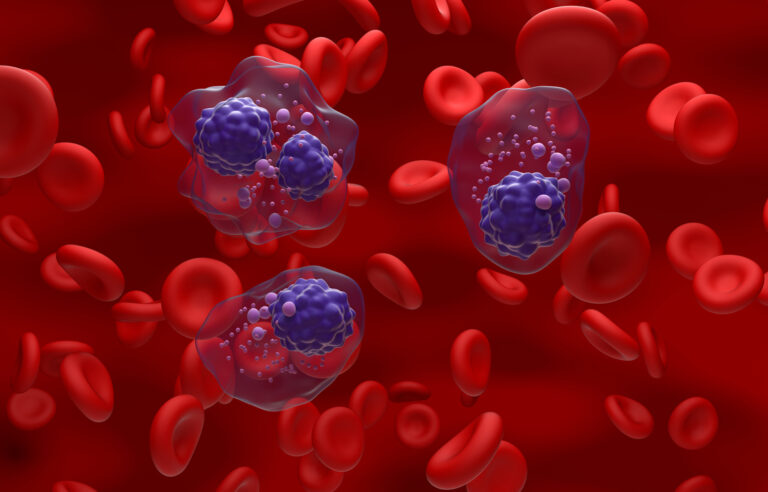
Cancer
How ‘mismatched donors’ are opening new doors for blood cancer patients
The ACCESS trial allowed mismatched, unrelated donors for blood cancer patients who didn’t have a perfect match for a stem cell transplant; the trial enrolled a more varied…

Cancer
Featherstone and Johnston families make $5 million gift to establish Lily’s Garden Pediatric Leukemia Program at Monroe Carell Jr. Children’s Hospital at Vanderbilt
Family’s newest commitment will advance research, precision medicine and support services for children with leukemia.
Cancer
Discover what’s next in cancer cell therapy at Aug. 29 symposium
Sessions will focus on current advances in stem cell transplantation and cancer cell therapy, and emerging applications of these novel therapies in hematologic disorders and solid…
We’re Here to Help
Whether you're newly diagnosed, seeking a second opinion, or exploring treatment options, our team is ready to connect you with the care and resources you need.