
Sarcomas
Overview
Sarcomas are a group of rare cancers that account for less than 1% of all cancers diagnosed in the United States. Unlike most solid tumors, sarcomas start in connective tissue, which is found throughout the body in bone, cartilage, fat, muscle, blood vessels, nerves, organs, and deeper layers of the skin.
Sarcomas affect people of all ages, ethnicities, and sexes, and there are more than 100 subtypes. They are generally divided into two groups: soft tissue sarcomas (STS) and bone sarcomas.
The most common subtype of STS is gastrointestinal stromal tumor (GIST), which most often arises in the stomach but can also occur in other parts of the gastrointestinal tract. Other common types of STS include undifferentiated pleomorphic sarcoma, liposarcoma, leiomyosarcoma, and rhabdomyosarcoma. Common bone sarcomas include osteosarcoma, Ewing sarcoma, and chondrosarcoma.
Because sarcomas vary widely in their biological behavior, treatment is highly individualized. At Vanderbilt-Ingram Cancer Center, our multidisciplinary team works closely to develop personalized treatment plans based on each patient's diagnosis, tumor type, and treatment goals, while also providing access to specialized expertise and clinical trials when appropriate.
Request an Appointment
We can connect you with the cancer care resources you need.
Meet Our Providers Who Treat Sarcomas
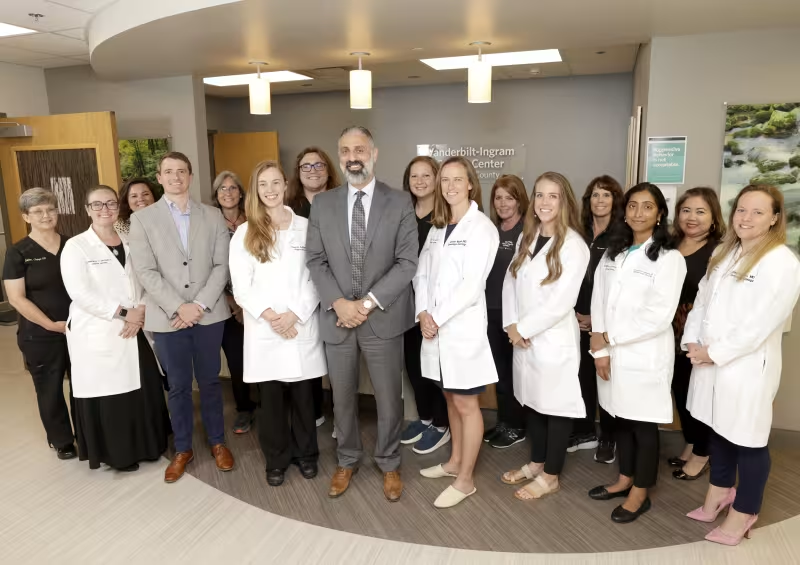
Our multidisciplinary teams bring together nationally recognized specialists, advanced diagnostics, and the latest therapies to design a treatment plan built around each patient's diagnosis, goals, and life.
Guides & Resources
The National Comprehensive Cancer Network is a trusted partner of the Vanderbilt-Ingram Cancer Center. The NCCN Guidelines for Patients provide prognostic and treatment information for major types of adult and some childhood cancers.
Conditions We Treat
- Osteosarcoma
- Malignant fibrous tumors of bone (MFT)
- Chordoma
- Malignant lymphomas of bone
- Chondrosarcomas
- Adamantinoma
- Ewing sarcoma
- Metastatic bone tumors of the skeleton
- Synovial sarcoma
- Metastatic tumors from lung, breast, prostate, colon, melanoma, thyroid, renal and gynecological cancers
- Liposarcoma
- Undifferentiated pleomorphic sarcoma (UPS)
- Leiomyosarcoma
- Rhabdomyosarcoma
- Sarcomas
- Angiosarcoma
- Malignant peripheral nerve sheath tumors (MPNST)
- Aneurysmal bone cyst
- Osteoid osteoma
- Osteoblastoma
- Enchondromas
- Multiple enchondromatosis (Ollier's and Maffucci's syndromes)
- Chondromyxoid fibroma
- Chondroblastoma
- Unicameral bone cysts
- Solitary osteocartilaginous exostosis (OCE) or osteochondroma
- Fibrous dysplasia
- Fibrous cortical defect and non-ossifying fibroma (NOF)
- Benign vascular tumors of bone
- Histiocytosis of bone or eosinophilic granuloma (EG)
- Giant cell tumor (GCT)
- Lipoma
- Hemangioma
- Fibroma and fibromatosis
- Neurofibroma and neurofibromatosis
- Pigmented villonodular synovitis (PVNS)
- Myositis ossificans
- Ganglion cysts
- Synovial cysts
Search Sarcoma Clinical Trials
Access hundreds of open studies, including early-phase trials and therapies not yet widely available, matched to your diagnosis.
Innovative & Advanced Care
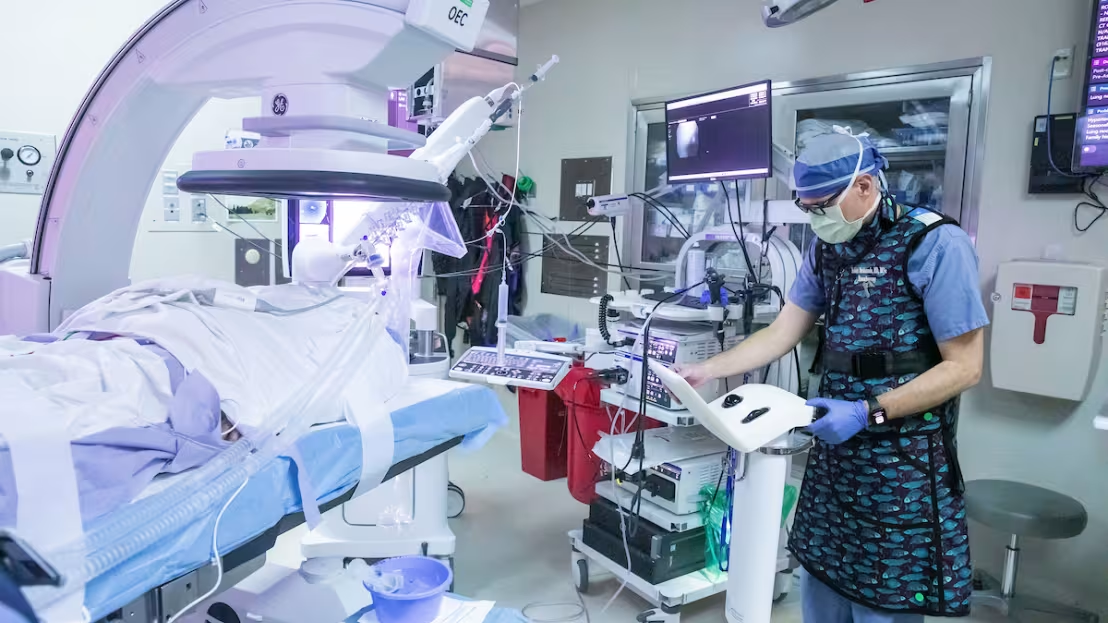
No two cancers are exactly alike. That’s why Vanderbilt-Ingram offers the full spectrum of cancer treatments — from innovative therapies to precision medicine, advanced surgical techniques, and clinical trials. Every treatment plan is tailored to the individual patient.
Innovative and Advanced Options for Sarcoma Cancer Patients
News on Sarcomas

Cancer
Second wind: 22-year-old Madison Barnett prepares for return to softball mound after cancer journey
The Lee University pitcher plans 2025 comeback after Ewing sarcoma sidelined her for more than year.

Cancer
An inspiring legacy
Family establishes ERDie Project in memory of daughter, Emma Ryleigh Dixon, to support pediatric bone cancer research at Monroe Carell Jr. Children’s Hospital at Vanderbilt.

Cancer
Signaling pathways in liposarcomas
A broad bioinformatics approach revealed that Hedgehog signaling is upregulated in dedifferentiated liposarcoma, suggesting this pathway may be an early indicator of poor…
Care That’s Centered Around You
Patient & Family Resources
Access support programs, educational resources, and services designed to help patients and caregivers navigate cancer care.
Your Care With Us
Learn what to expect before, during, and after treatment, including appointments, support services and survivorship resources.

Living With & After Cancer
Treating cancer can require additional interventions and rehab. Our specialists care for your whole self, not simply one part of the body.
We’re Here to Help
Whether you're newly diagnosed, seeking a second opinion, or exploring treatment options, our team is ready to connect you with the care and resources you need.