
Gastrointestinal Cancers
Overview
Gastrointestinal (GI) cancers are a group of cancers that affect the organs of the digestive system. These cancers can develop in the esophagus, stomach, liver, gallbladder, pancreas, small intestine, colon, rectum, and anus. Because each type of gastrointestinal cancer arises in a different organ and behaves differently, treatment approaches are tailored to the specific diagnosis and individual patient.
Some of the most common gastrointestinal cancers include colorectal cancer, pancreatic cancer, liver cancer, stomach cancer, and esophageal cancer. Risk factors, symptoms, screening recommendations, and treatment options vary by cancer type, making early detection and specialized care especially important.
Pancreatic cancer begins in the pancreas, an organ that helps digest food and regulates blood sugar. Liver cancer develops in the liver, which performs many vital functions including filtering blood, producing bile, and helping process nutrients. The most common type of liver cancer is hepatocellular carcinoma (HCC), although cancers can also arise in the bile ducts, known as cholangiocarcinoma.
At Vanderbilt-Ingram Cancer Center, our multidisciplinary team provides expert care for patients with gastrointestinal cancers through advanced diagnostic testing, specialized surgery, medical oncology, radiation oncology, nutrition support, and access to innovative clinical trials. Treatment plans are personalized to each patient's cancer type, stage, and goals of care.
Request an Appointment
We can connect you with the cancer care resources you need.
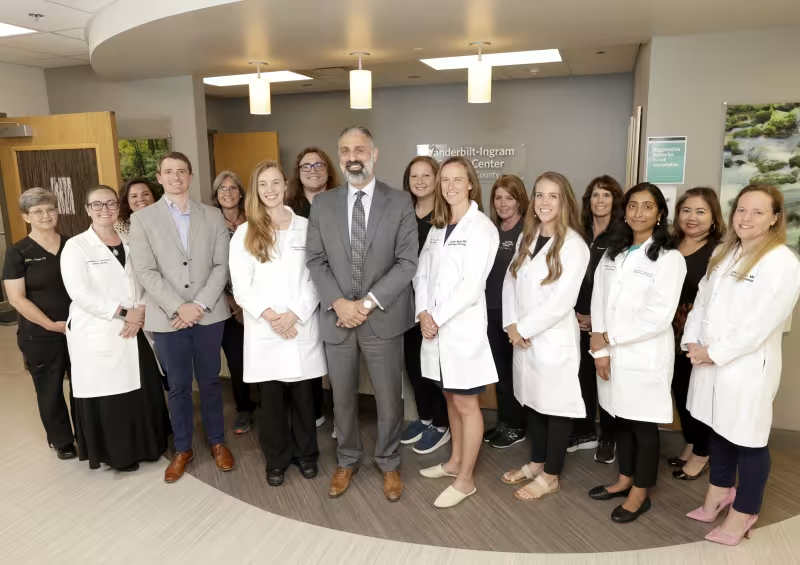
Meet Our Providers Who Treat Gastrointestinal Cancers
Our multidisciplinary teams bring together nationally recognized specialists, advanced diagnostics, and the latest therapies to design a treatment plan built around each patient's diagnosis, goals, and life.
Guides & Resources
The National Comprehensive Cancer Network is a trusted partner of the Vanderbilt-Ingram Cancer Center. The NCCN Guidelines for Patients provide prognostic and treatment information for major types of adult and some childhood cancers.
Conditions We Treat
- Anal Cancer (Squamous Cell Cancer of the Anus, SCCA) (opens in a new tab)
- Appendix Cancer (opens in a new tab)
- Bile duct (extrahepatic) cancer (opens in a new tab)
- Carcinoid tumors
- Colon Cancer (opens in a new tab)
- Esophageal Cancer (opens in a new tab)
- Gallbladder Cancer (opens in a new tab)
- Gastrointestinal sarcoma
- Hepatobiliary cancers (liver and bile duct)
- Hilar cholangiocarcinoma (Klatskin tumor)
- Liver cancers (including intrahepatic bile duct)
- Pancreatic cancer (opens in a new tab)
- Small intestine cancers
- Stomach cancer (opens in a new tab)
Search Gastrointestinal Cancer Clinical Trials
Access hundreds of open studies, including early-phase trials and therapies not yet widely available, matched to your diagnosis.
Innovative & Advanced Care
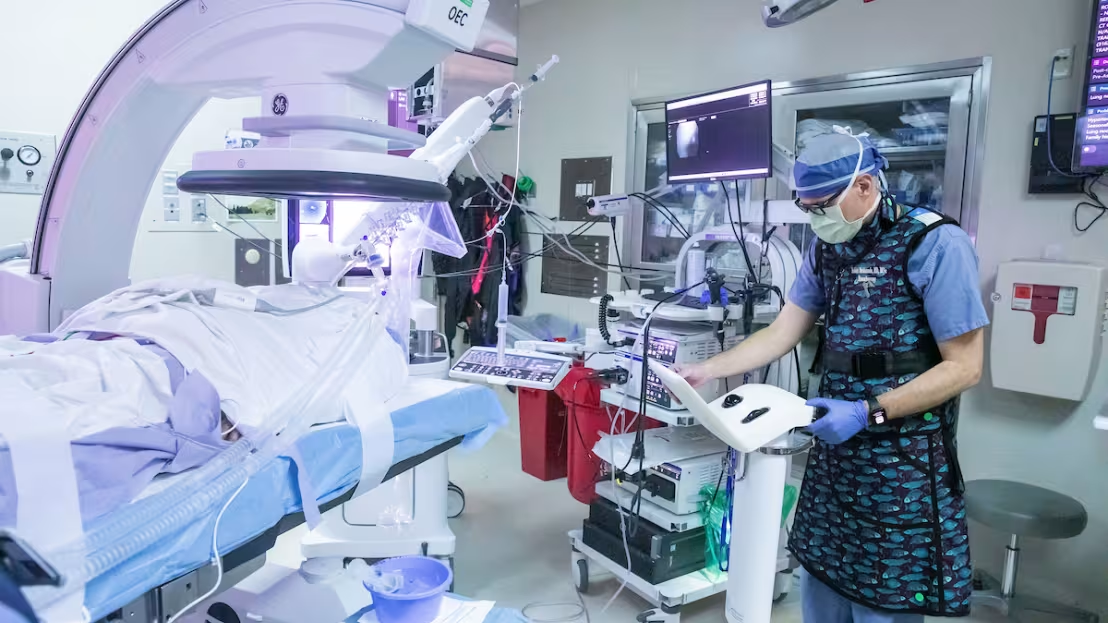
No two cancers are exactly alike. That’s why Vanderbilt-Ingram offers the full spectrum of cancer treatments — from innovative therapies to precision medicine, advanced surgical techniques, and clinical trials. Every treatment plan is tailored to the individual patient.
Innovative and Advanced Care for Gastrointestinal Cancer Patients
Featured News

Cancer
Single-port, robotic colorectal surgery means patients go home, heal faster
Vanderbilt Health is among the highest volume single-port robotic colorectal surgery programs in the nation. Dozens of established surgeons from around the U.S. have come to train…
Cancer
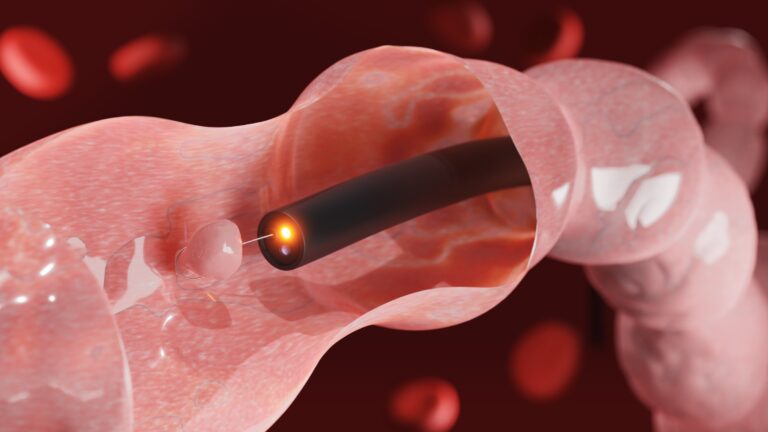
‘Balancing act’ helps keep colorectal cancer in check
Vanderbilt Health study offers potentially new avenues to explore in the treatment of colorectal cancer.
Cancer
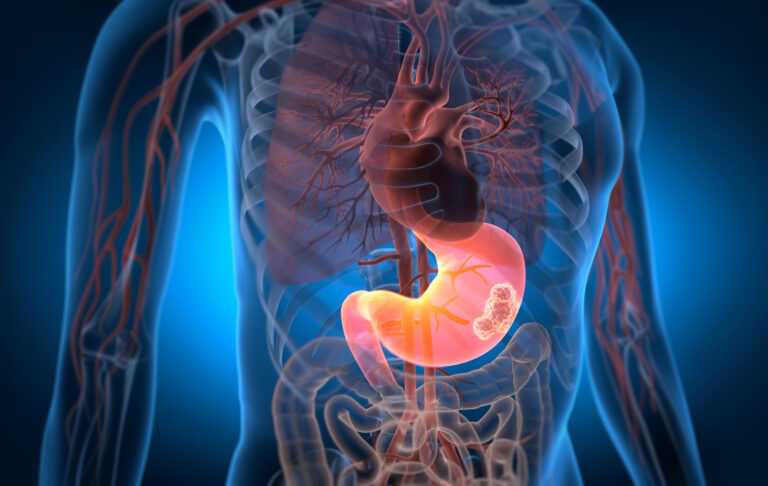
Study reveals how SOX9 may unlock gastric cancer development
The cancer-associated transcription factor was found to be a critical factor in the progression of spasmolytic polypeptide-expressing metaplasia.
Care That’s Centered Around You

Patient & Family Resources
Access support programs, educational resources, and services designed to help patients and caregivers navigate cancer care.
Your Care With Us
Learn what to expect before, during, and after treatment, including appointments, support services and survivorship resources.

Living With & After Cancer
Treating cancer can require additional interventions and rehab. Our specialists care for your whole self, not simply one part of the body.
We’re Here to Help
Whether you're newly diagnosed, seeking a second opinion, or exploring treatment options, our team is ready to connect you with the care and resources you need.